

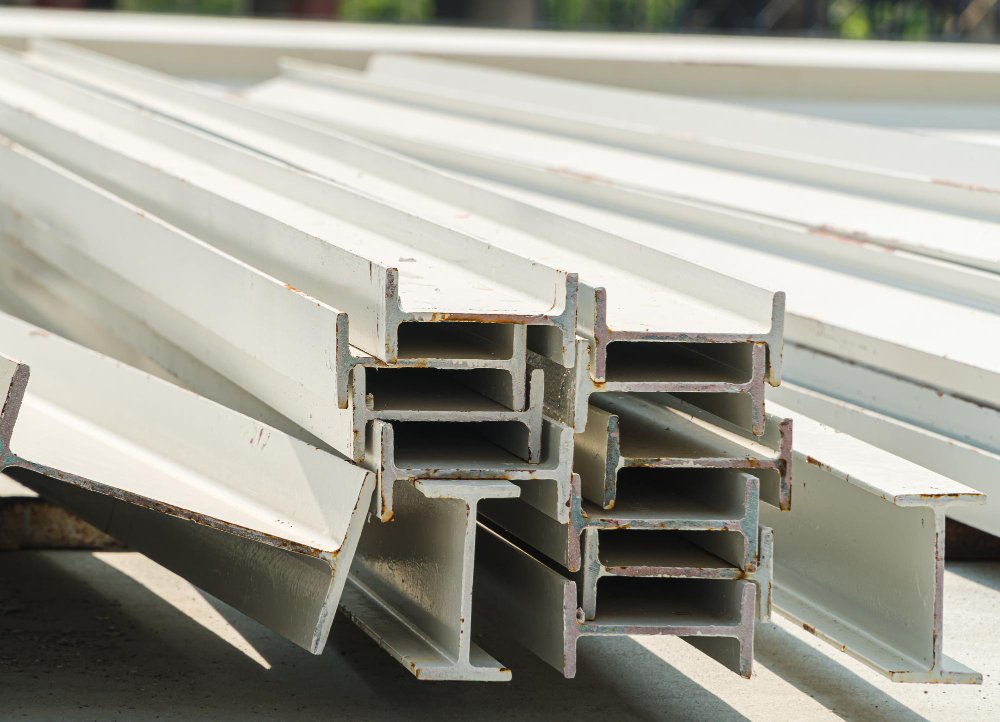
Steel beams serve as the primary skeleton for many buildings across the country. Wide flange beams in the Philippines provide the necessary strength to support large malls and tall office towers. These structural elements have an H-shaped profile that handles heavy weight without bending. Most local suppliers provide these beams in a variety of sizes to fit different building plans.
Standard Depth and Width Measurements
Suppliers in the Philippines use a specific naming system for these steel products. You will often find sizes listed by their depth and their weight per meter. A common example is a beam that measures 200 millimeters by 200 millimeters. This size works well for medium-sized columns in residential or commercial buildings. Larger projects might require beams that are 600 millimeters deep or even larger.
The depth of the beam is the distance from the top flange to the bottom. Width refers to how far the flanges extend from side to side. These two numbers define the overall size and capacity of the steel member. Tables from local steel mills show the exact dimensions for every standard size. Builders look at these charts to find the right fit for their specific frame.
The thickness of the web and flanges also changes between different beam sizes. Thicker steel can hold more weight but it also makes the beam much heavier. Most local projects use beams that follow the Japanese Industrial Standards or American standards. This variety allows architects to pick the most efficient beam for any floor plan. Knowing these dimensions helps in planning the layout of the entire structure.
Typical Lengths and Weight Classes
Steel beams are usually sold in standard lengths of 6 meters and 12 meters. These lengths fit easily onto the flatbed trucks used for local deliveries. Some large industrial projects might order custom lengths directly from the steel mill. Using standard lengths helps keep the total cost of the materials lower for the owner. It also reduces the amount of steel wasted during the cutting process.
The weight of a wide flange beam is measured in kilograms per meter. A heavier beam has thicker flanges and a thicker web to support more weight. For example, a beam might weigh 30 kilograms for every meter of its length. Heavy-duty beams used in bridges can weigh over 200 kilograms per meter. Checking the weight is a step that helps the crane operator move the steel safely.
Most local hardware stores keep the most common sizes in their yard for quick pickup. Large developers buy their steel in bulk to get better prices from the manufacturers. They calculate the total weight of all the beams to plan the foundation strength. Accurate weight data helps the team avoid any structural mistakes during the build. This information is always available in the supplier’s product catalog.
Common Steel Grades in the Local Market
ASTM A36 is the most frequent grade used for general building needs in the country today. Taller buildings often require ASTM A572 or A992 steel for higher strength and better safety during earthquakes. Choosing the correct grade ensures that the metal frame can handle heavy loads over many decades.
Applications in Philippine Infrastructure
Wide flange beams provide the main support for flyovers and large factory buildings across Metro Manila. These sturdy H-shaped beams allow for open floor plans without the need for many interior support columns. Many residential builders also use steel frames to create modern homes with large glass walls and floors.
Connection Methods for Steel Beams
Workers usually join steel beams together using high-strength bolts or professional electric arc welding on the site. Bolting is a fast method for office frames while welding creates a permanent bond for maximum structural rigidity. Most contractors use a mix of both methods to keep the assembly process safe and very steady.
Handling on the Job Site
Moving heavy wide flange beams requires the use of cranes or heavy forklifts. In the Philippines, truck-mounted cranes are often used to lift beams into place. The crew must balance the beam carefully to prevent it from tipping during the lift. They use nylon slings or steel chains to secure the metal safely. Safety officers watch the move to keep workers away from the lifting area.
Storing the beams correctly at the site prevents them from rusting or bending. They should be kept off the ground on wooden blocks to stay away from moisture. Covering the steel with a tarp helps protect it from the heavy tropical rain. If the steel gets too much rust, it might need cleaning before it can be painted. Keeping the material clean saves time and money for the contractor.
Logistics
The order of delivery is also vital for a smooth construction timeline. The columns must arrive first followed by the main floor beams and the bracing. A small delay in delivery can stop the work for the whole assembly crew. Managers coordinate with the steel yard to get the right sizes at the right time. Good planning helps the project stay on schedule and within the budget.
Key Takeaway
Choosing the correct dimensions for steel members is a major part of the building process. Wide flange beams in the Philippines provide a durable and efficient solution for all types of structures. These beams offer the strength needed to keep people safe in a variety of environments. By following standard size charts, builders can create strong frames that last for many years.














Leave a Reply