

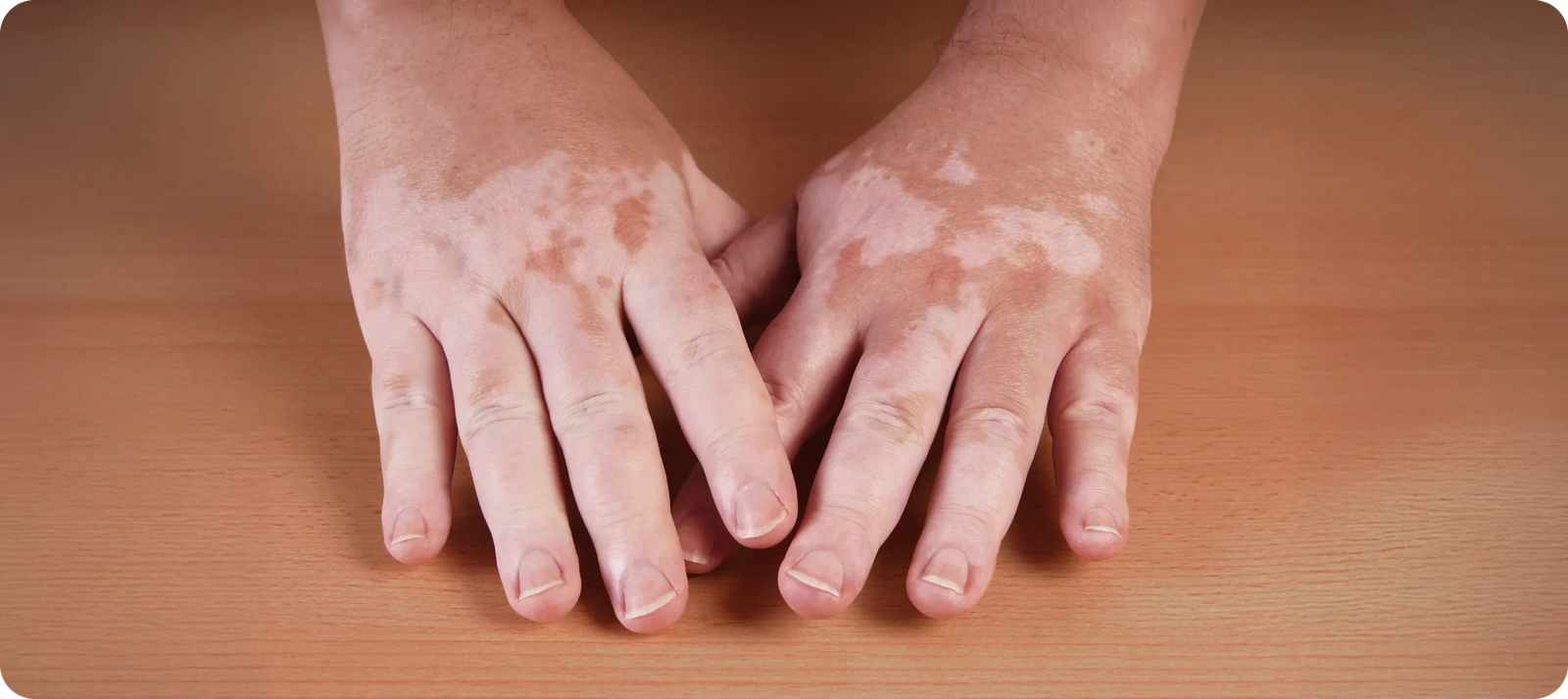
Vitiligo is a chronic skin condition characterized by the loss of pigment, leading to white patches on the skin. It can affect individuals of all ages, but understanding the optimal time to begin treatment can significantly influence the outcome. Early intervention often yields better results, helping to manage the condition effectively and improve quality of life. This article explores the appropriate age to start vitiligo treatment, factors influencing treatment decisions, and available options, with a focus on Vitiligo treatment in Abu Dhabi.
Understanding Vitiligo and Its Impact
What Is Vitiligo?
Vitiligo is an autoimmune disorder where the body’s immune system mistakenly attacks the pigment-producing cells (melanocytes) in the skin. This results in the development of white patches that can vary in size and location. The condition can appear on any part of the body and may spread over time.
Psychological and Social Effects
Beyond the physical appearance, vitiligo can significantly impact a person’s mental health and social interactions. Many individuals experience feelings of self-consciousness, anxiety, or depression due to the visible nature of the condition. Early treatment not only improves skin appearance but also helps in boosting confidence and emotional well-being.
Factors Influencing the Best Age for Treatment
Age of Onset and Diagnosis
Vitiligo can develop at any age, but it often begins in the early teens to early adulthood. Recognizing the condition early is vital for timely intervention. The earlier the diagnosis, the better the chances of controlling its progression through appropriate treatment strategies.
Skin Type and Response to Treatment
Different skin types may respond differently to treatment. Usually, lighter skin tones tend to show noticeable changes faster, which can influence the timing of initiating therapy. Customizing treatment based on individual skin type and age can lead to more effective outcomes.
Progression of the Disease
The rate at which vitiligo progresses varies among individuals. Starting treatment during the early stages, when patches are few and localized, often yields more favorable results. Delaying treatment can lead to more extensive depigmentation, making management more challenging.
Optimal Age to Initiate Vitiligo Treatment
Early Childhood and Adolescence
For children and teenagers, early intervention can be particularly effective in halting or slowing down the spread of depigmentation. Pediatric treatments are tailored to minimize discomfort and maximize safety. Initiating treatment during these formative years can help in maintaining normal skin pigmentation and prevent emotional distress.
Young Adults and Adults
Starting vitiligo treatment in young adulthood or later can still be beneficial. At this stage, the skin’s healing capacity remains relatively high, and treatments can be more targeted. Early adult intervention can help in restoring skin color and improving overall quality of life.
Considerations for Older Adults
While treatment is possible at any age, older adults may experience slower responses. Nevertheless, initiating therapy can still lead to significant improvements, especially when combined with ongoing skin care and lifestyle adjustments.
Types of Treatments Suitable for Different Age Groups
Topical Treatments
Topical corticosteroids and calcineurin inhibitors are commonly prescribed for localized vitiligo, especially in younger patients. These treatments are generally safe and effective when used under medical supervision.
Phototherapy
Narrowband UVB therapy is a popular option for controlling vitiligo spread. It is suitable for both children and adults and can be tailored according to age and skin response.
Surgical Options
In stable cases, especially in adults, surgical procedures like skin grafts or melanocyte transplantation may be considered. These are typically reserved for those with long-standing vitiligo that hasn’t responded to other treatments.
Importance of Early and Continuous Management
Monitoring and Adjusting Treatment Plans
Regular follow-up with healthcare providers ensures that treatment plans are adapted to the skin’s response. Consistency in applying therapies often results in better outcomes.
Lifestyle and Skin Care
Alongside medical treatments, adopting a healthy lifestyle and proper skin care routines can support the effectiveness of vitiligo management. Protecting skin from sun damage and avoiding trauma are essential components.
Psychological Support and Counseling
Addressing the emotional aspects of vitiligo is critical. Support groups and counseling can help individuals cope better with their condition and improve adherence to treatment plans.
Why Choose Professional Care for Vitiligo Treatment?
Customized Treatment Plans
Healthcare professionals tailor treatments based on individual needs, skin type, age, and disease progression, maximizing the chances of success.
Safety and Monitoring
Supervised treatment ensures safety, minimizes side effects, and allows timely adjustments to therapy.
Access to Advanced Treatments
Clinics specializing in vitiligo management often provide access to innovative therapies and clinical trials that can enhance treatment outcomes.
Conclusion
Determining the best age to start vitiligo treatment involves considering individual factors such as age of onset, skin type, disease progression, and personal goals. Early intervention, especially during childhood or adolescence, can significantly improve the prognosis and help maintain skin health and confidence. Consulting a specialized clinic, such as the Enfield Royal Clinic Abu Dhabi, can provide personalized guidance and access to advanced therapies, ensuring the most effective management of vitiligo.
FAQs
What is the ideal age to begin vitiligo treatment?
The ideal age varies, but early intervention during childhood, adolescence, or early adulthood often results in better control and cosmetic outcomes.
Can vitiligo be cured if treated early?
While there is no permanent cure, early and appropriate treatment can effectively manage the condition, prevent progression, and restore skin pigmentation in affected areas.
How does age affect the response to vitiligo treatment?
Younger skin generally responds more quickly to treatment, but individuals of all ages can benefit from therapy with proper management and patience.
Is it beneficial to start treatment immediately after diagnosis?
Yes, starting treatment promptly after diagnosis can prevent further depigmentation and improve the chances of restoring skin color.
















Leave a Reply