

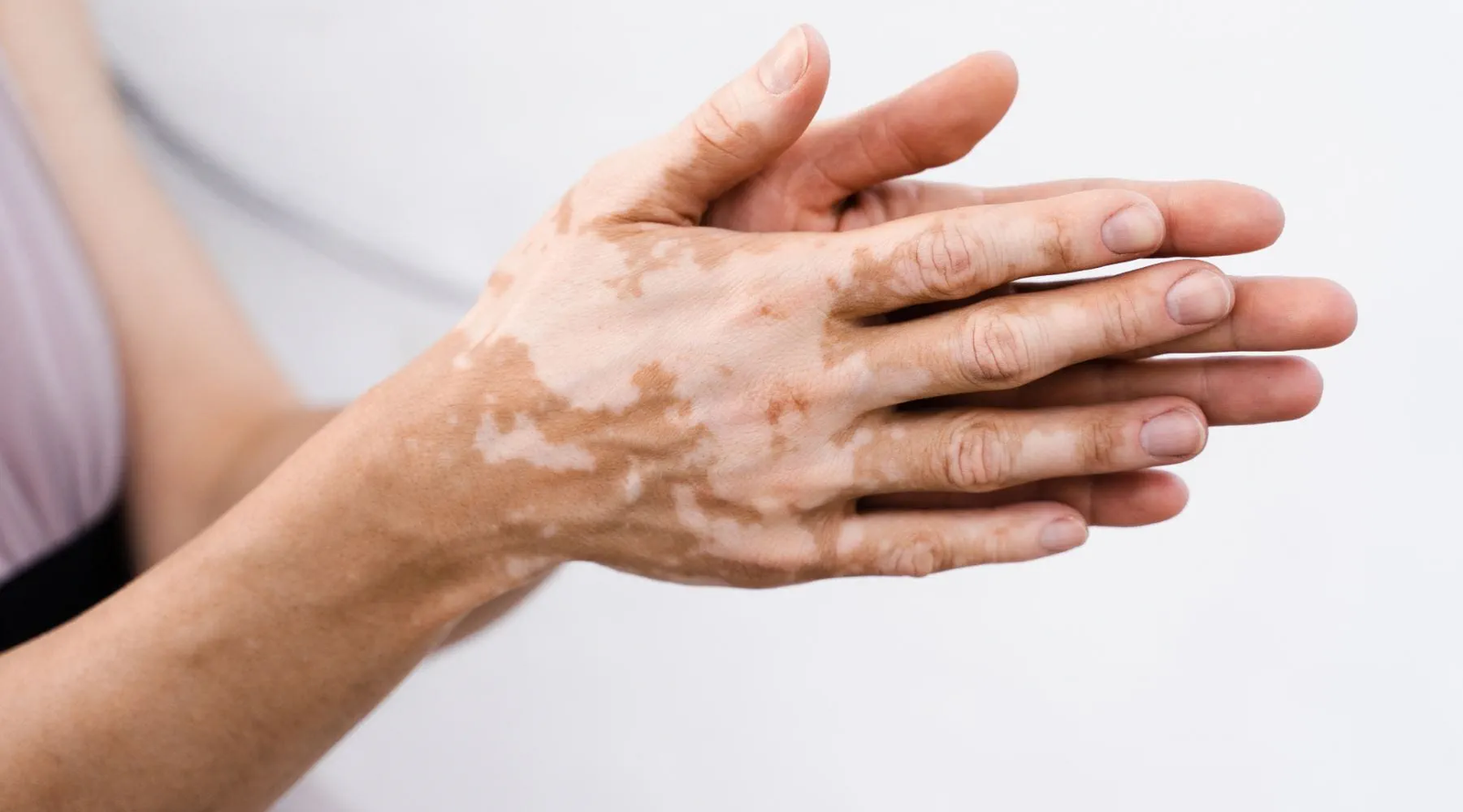
Vitiligo is a chronic skin condition characterized by the development of white patches on various parts of the body. These patches occur due to the loss of melanocytes, the cells responsible for producing skin pigment. While vitiligo is primarily a cosmetic concern, it can significantly affect an individual’s emotional well-being and self-esteem. Understanding how Vitiligo treatment in Abu Dhabi works on white patches is essential for those seeking effective management options to restore skin pigmentation and improve quality of life.
Understanding the Nature of Vitiligo
What Causes White Patches?
White patches in vitiligo are caused by an autoimmune response where the body’s immune system mistakenly attacks and destroys melanocytes. This leads to a depigmentation process, resulting in the appearance of white patches. The exact cause of this immune response is still under research, but genetic, environmental, and autoimmune factors are believed to contribute.
Common Areas Affected
Vitiligo can develop on any part of the body but is most commonly observed on the hands, face, elbows, knees, and around body orifices. The pattern and extent of depigmentation vary among individuals, making personalized treatment plans essential.
How Vitiligo Treatment Works on White Patches
Goal of Vitiligo Treatment
The primary objective of vitiligo treatment is to restore pigmentation to the affected skin areas. This involves stimulating melanocyte activity or encouraging repigmentation through various therapeutic approaches.
Types of Treatment Approaches
Topical Therapies
Topical medications, such as corticosteroids and calcineurin inhibitors, aim to reduce inflammation and stimulate melanocyte activity. These are often the first line of treatment for localized vitiligo patches.
Phototherapy
Phototherapy involves exposing the skin to controlled doses of ultraviolet (UV) light, particularly narrowband UVB. This method helps induce melanocyte proliferation and migration, leading to the gradual repigmentation of white patches.
Excimer Laser
The excimer laser delivers targeted UVB light to specific depigmented areas, promoting melanocyte stimulation only in the affected regions. This precise approach is suitable for stubborn patches resistant to other treatments.
Surgical Options
For stable vitiligo that does not respond to medical therapy, surgical procedures like skin grafting or melanocyte transplants may be considered. These techniques involve transplanting healthy pigmented skin or melanocytes into depigmented areas.
Role of Newer Treatments and Innovations
Advancements in research have led to the development of novel therapies such as melanocyte-keratinocyte transplantation and the use of monobenzone. Additionally, some clinical trials explore the potential of immune-modulating agents to halt the autoimmune process.
The Process of Repigmentation
Stages of Recovery
Repigmentation typically occurs in stages, starting with the appearance of small pigmented spots in the white patches. Over time, these spots may expand and merge, eventually covering the depigmented area completely or partially.
Factors Influencing Effectiveness
The success of vitiligo treatment depends on factors such as the duration of the condition, the extent of skin affected, and individual response to therapy. Early intervention often yields better results.
Importance of Consistency and Patience
Repigmentation is a gradual process that requires consistent treatment and patience. Adherence to prescribed therapies and regular follow-up with healthcare providers are crucial for optimal outcomes.
Personalized Treatment Plans
Tailoring Treatments to Individual Needs
Each patient’s condition is unique, necessitating personalized treatment plans that consider the extent of vitiligo, location of patches, skin type, and previous response to therapies.
Combining Multiple Modalities
Often, combining different treatment approaches, such as phototherapy with topical medications, can enhance results and accelerate repigmentation.
Lifestyle and Supportive Measures
Protecting Depigmented Skin
Using sunscreens and avoiding skin trauma can prevent further depigmentation and maintain treatment results.
Psychological Support
Counseling and support groups can help individuals cope with the emotional impact of vitiligo and improve overall well-being.
Conclusion
Understanding how vitiligo treatment works on white patches is essential for effectively managing the condition. A combination of therapies tailored to individual needs can significantly improve pigmentation and boost confidence. Consulting specialized clinics like Enfied Royal Clinic Abu Dhabi can provide expert guidance and personalized treatment options to achieve the best possible outcomes.
FAQs
Q1: How long does it take to see results from vitiligo treatment?
Results vary depending on the treatment type and individual response, but noticeable improvements often take several months of consistent therapy.
Q2: Can vitiligo be cured completely?
Currently, there is no definitive cure for vitiligo, but many treatments can effectively repigment skin and manage the condition.
Q3: Is vitiligo treatment suitable for all skin types?
Yes, most treatments are adaptable to different skin types, though responses may vary based on individual factors.
Q4: Are there any side effects associated with vitiligo treatments?
While treatments are generally safe, some may cause temporary skin irritation or redness. It is important to follow medical advice and report any adverse reactions.
















Leave a Reply