The Role Of Makeup Filters In Mobile-First Makeup Websites
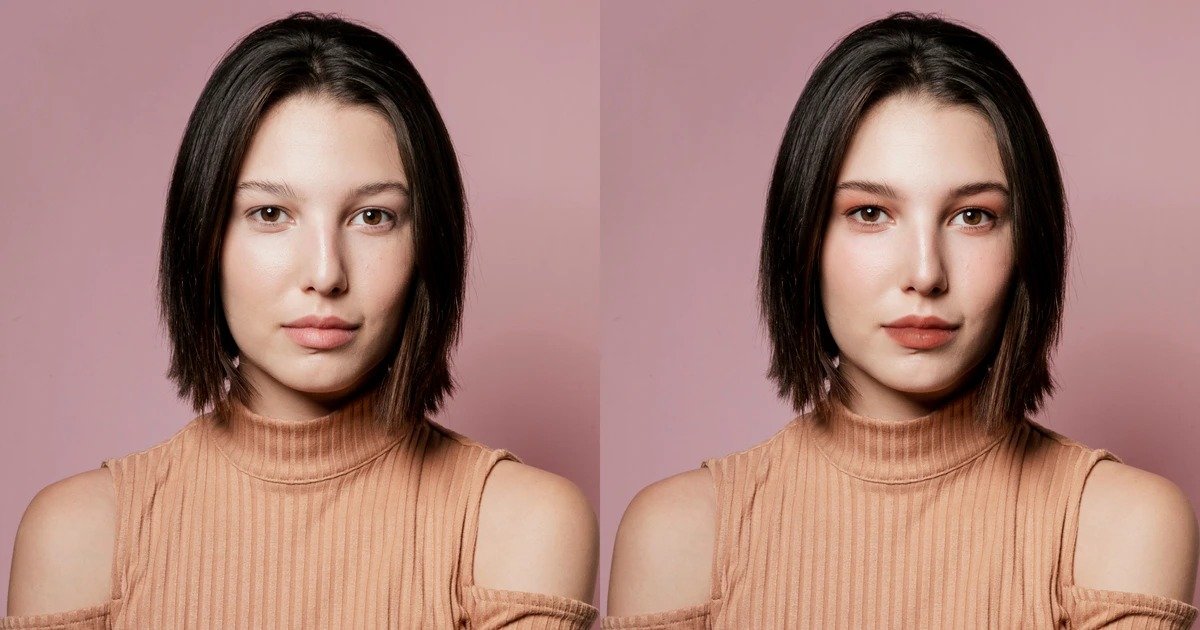
When people visit makeup websites, they’re not just looking for product descriptions anymore. They want to see how something will look on them. This shift in expectation has pushed many sites to include interactive features – most notably, the makeup filter.
Instead of just browsing photos of lipstick or eyeshadow on models, users can now preview those shades on their own faces, in real time. This adds a new layer of convenience and clarity to the shopping process.
What a Makeup Filter Does
A makeup filter applies virtual cosmetics to a live or uploaded image of the user’s face. It’s powered by technology that can detect facial features, skin tone, lighting, and even head movement.
The tool then applies lipstick, foundation, eyeliner, or eyeshadow along the natural contours of the face. It’s not just a sticker or overlay. The effect moves as the person moves. This helps users get a more realistic sense of how the makeup would actually look in real life.
Why Users Engage More with These Features
People don’t want to guess how a shade will look on them. A lipstick that looks great in the tube or on a model may not work the same way on another skin tone. A makeup filter removes that uncertainty.
When users can interact with products, they spend more time on the site. They try more colors. They experiment with looks they wouldn’t usually pick. It becomes a discovery process instead of a sales pitch.
Some reasons users enjoy this feature:
- They can try before buying
- It works from home, without needing to visit a store
- It feels private, with no pressure from sales staff
- It’s fast and doesn’t require product removal or clean-up
- It helps avoid waste by reducing incorrect purchases
This builds trust between the site and the shopper, even if they don’t buy right away.
The Shift in What Makeup Websites Need to Offer
Standard product pages with one or two static images don’t meet today’s expectations. People want tools that help them make decisions.
Makeup websites that include interactive filters allow users to:
- Test different shades side by side
- Compare subtle variations in tone or finish (like matte vs gloss)
- Save and share their favorite looks
- Get recommendations based on their skin tone or facial features
These features don’t replace in-person testing, but they provide users with enough information to feel confident in their choices.
How These Tools Work in Practice
Let’s say someone is shopping for a soft pink lipstick. They try three shades using the makeup filter. The first one is too bright. The second one matches, but doesn’t pop. The third looks balanced and works with its undertone. They save it, maybe take a screenshot, and feel better prepared to purchase.
The tool has already narrowed down the options. For a site visitor, that’s a huge help.
In other cases, users may play around with bold looks like dark shadows, red lips, and contour lines, just to see what fits. It becomes a way to learn, not just shop.
Makeup Filters and Mobile Use
Most users access makeup websites from their phones. The best filter tools are built to work directly from a mobile browser or app. They don’t require downloads, logins, or special setup.
A good mobile filter tool should:
- Load quickly
- Work with different lighting conditions
- Offer live preview or upload options
- Respond to facial movement smoothly
- Not collect unnecessary personal data
These features make the experience seamless, especially for first-time users.
What to Watch For in Poor Filter Tools
Some filters look fake or cartoonish. Others apply color in the wrong place or make all skin tones look the same. These create frustration and reduce user trust.
Common issues include:
- Overly smoothed or blurred skin
- Misaligned makeup placement
- Limited shade ranges
- Lack of representation for diverse face shapes and tones
- Slow or glitchy performance on mobile
Users can tell when the tech doesn’t match the marketing. High-quality tools improve the site’s credibility. Poor ones do the opposite.
Why Makeup Filters Are More Than a Trend
A makeup filter might seem like a fun extra, but it plays a real role in helping users explore and compare beauty products. These tools support informed decisions, especially when people can’t visit stores or want to test looks privately.
They also serve as learning tools. Users can become more familiar with which makeup types suit their features, which shades work for different events, and which styles they’re comfortable with.ㅤ ㅤ ㅤ ㅤ ㅤ ㅤ ㅤ ㅤ ㅤ ㅤ ㅤ ㅤ ㅤ ㅤ ㅤ ㅤ ㅤ ㅤ ㅤ ㅤ ㅤ ㅤ ㅤ ㅤ ㅤ ㅤ ㅤ ㅤ ㅤ ㅤ
About The Author