How To Run Multi-Platform Campaigns Without Switching Tools?
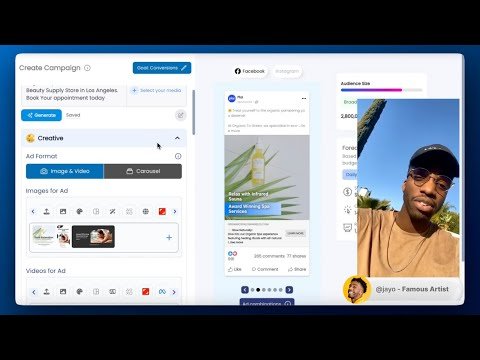
Running campaigns across multiple platforms sounds simple in theory, but in practice it is messy. Agencies juggle Meta, Google, TikTok, LinkedIn, reporting tools, creative tools, and spreadsheets. Switching between platforms slows teams down, increases errors, and makes it harder to see the full picture of performance.
Modern agencies are solving this problem by centralizing their workflows. Instead of logging into five different platforms every day, they rely on systems that bring campaign creation, optimization, and reporting into one place.
Digital marketing agency software makes this possible by acting as a single control center for multi-platform advertising. It removes the need to jump between tools while still giving agencies control over campaigns.
Why Switching Between Tools Hurts Performance
Tool switching does more than waste time. It creates gaps in visibility and delays decision-making. When data lives in separate platforms, teams struggle to compare performance or act quickly. Centralized tools bring metrics together, enabling faster insights, clearer reporting, and more confident optimizations that help agencies respond to trends, reduce friction, and drive better results across campaigns.
Common issues include:
- Inconsistent reporting formats
- Delayed optimization decisions
- Duplicate work across platforms
- Higher risk of human error
These problems grow as agencies add more clients and platforms.
What Centralized Campaign Management Looks Like
A centralized approach means campaigns are created, managed, and monitored from one interface. Instead of setting up ads separately for each platform, agencies use shared workflows that adapt to platform requirements.
With centralized management, agencies can:
- Launch campaigns across multiple platforms at once
- Track performance from a single dashboard
- Apply consistent creative and messaging
- Make faster optimization decisions
This structure improves efficiency without limiting flexibility.
How AI Simplifies Multi-Platform Campaigns
AI plays a key role in managing complexity. Rather than manually adjusting campaigns on each platform, AI analyzes performance data and makes changes automatically.
AI-driven systems can:
- Optimize budgets based on results
- Test creative variations across platforms
- Identify top-performing audiences
- Pause underperforming ads
This reduces the need for constant manual monitoring while improving results.
One Workflow for Creative, Launch, and Optimization
Creative production is often the biggest bottleneck in multi-platform campaigns. Each platform has different formats, sizes, and best practices. Centralized tools solve this by generating multiple creative variations from shared assets.
Agencies can:
- Create image and video ads in multiple formats
- Test headlines and descriptions automatically
- Reuse successful creatives across platforms
- Maintain brand consistency
This speeds up launches and reduces creative fatigue.
Unified Reporting Without Manual Work
Reporting across platforms is one of the most time-consuming agency tasks. Each platform presents data differently, which makes comparisons difficult. Centralized tools standardize reporting automatically.
Unified reporting allows agencies to:
- Compare performance across platforms easily
- Track spend and results in real time
- Share clear reports with clients
- Reduce time spent on manual data collection
This clarity improves decision-making and client communication.
Scaling Campaigns Without Adding Complexity
As agencies grow, managing more platforms usually means more tools and more people. Centralized systems change that dynamic. They allow agencies to scale campaigns without increasing operational workload.
Agencies can:
- Manage more clients from one dashboard
- Apply standardized workflows
- Reduce repetitive tasks
- Maintain quality at scale
This makes growth more predictable and sustainable.
Keeping Teams Aligned Across Platforms
When teams work in separate tools, collaboration becomes difficult. Centralized platforms keep everyone on the same page by providing shared access and clear roles.
Teams benefit from:
- Real-time visibility into changes
- Fewer version conflicts
- Clear ownership of tasks
- Faster internal communication
This improves accountability and reduces friction.
Choosing the Right Platform Approach
Not all tools are built for multi-platform management. Agencies need systems that support campaign creation, optimization, creative, and reporting together. Platforms like Plai are designed to handle this complexity without forcing teams to switch tools constantly. This unified approach saves time, reduces context switching, improves data accuracy, and helps teams scale campaigns efficiently while maintaining control, consistency, and performance across multiple advertising channels.
Conclusion
Running multi-platform campaigns without switching tools is possible with the right approach. Centralized systems reduce manual work, improve visibility, and allow agencies to focus on strategy rather than logistics. By unifying workflows, creative, optimization, and reporting, agencies can run better campaigns with less effort.
FAQs
1. Can agencies really manage multiple platforms from one tool?
Yes. Centralized platforms are designed to handle campaign creation and monitoring across multiple ad networks.
2. Does centralized management limit platform-specific control?
No. Most systems adapt workflows to each platform while keeping management unified.
3. Is AI necessary for multi-platform campaigns?
AI is not mandatory, but it significantly reduces manual work and improves optimization speed.
About The Author