How Mortgage Loan Providers Verify Documents Before Approval
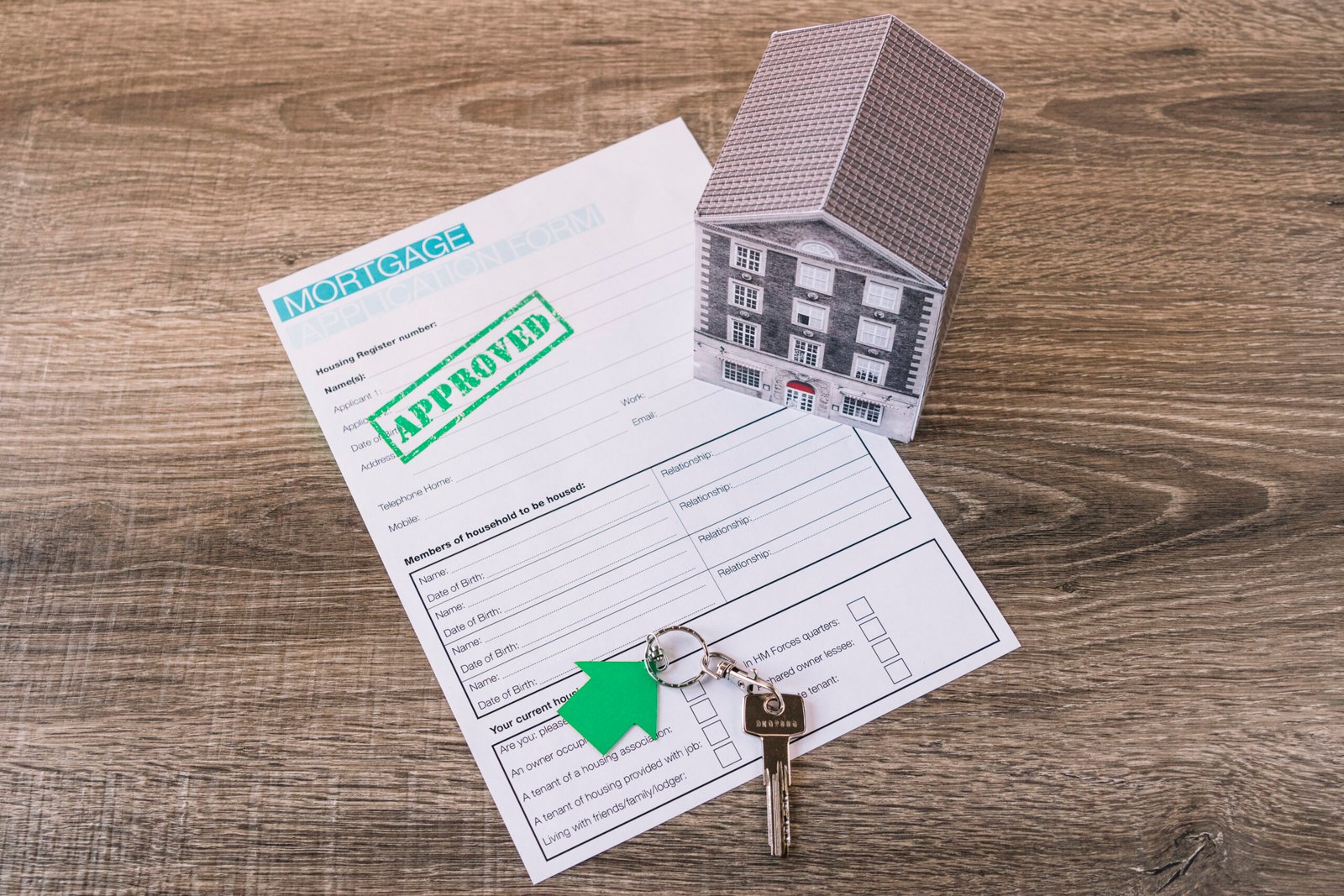
documents required for mortgage loan
Applying for a mortgage loan is a significant financial step, and the process often involves a comprehensive assessment of the borrower’s financial standing and creditworthiness. Mortgage loan providers rely on thorough document verification to ensure applicants meet the necessary criteria for loan approval. This article explores the steps mortgage loan providers take to verify documents and what borrowers should know about the process to avoid delays.
If you’re wondering what documents are required for a mortgage loan, how lenders validate them, and why this process is critical, keep reading for a detailed breakdown.
Why Is Document Verification Important in the Mortgage Process?
Before delving into the specifics of how document verification works, it’s essential to understand why it matters. Mortgage loan providers face considerable risks when approving loans. They need to ensure that borrowers have the financial capacity to repay the loan over time. To mitigate the chances of default, providers carefully scrutinize the applicant’s financial profile through a series of verifications. By verifying the documents provided by borrowers, lenders can confidently lend responsibly while adhering to regulatory compliance.
Documents Required for a Mortgage Loan
The first step in the verification process is gathering the necessary paperwork. When applying for a mortgage, borrowers are required to submit a range of documents. Below are the key documents required for mortgage loan:
Proof of Identity
Mortgage loan providers need to confirm the applicant’s identity to prevent fraud. Acceptable documents include:
- Passport
- Driver’s license
- Government-issued ID cards
Proof of Address
Lenders may ask for documents establishing the applicant’s current residential address. Examples include:
- Utility bills
- Rent agreements
- Bank statements
Income Proof
Demonstrating consistent income is fundamental for mortgage approval. Documents to provide include:
- Recent pay stubs (for salaried employees)
- Bank statements (showing income deposits)
- Profit and loss statements (for self-employed individuals)
- Income tax returns
Employment Verification Letter
Mortgage loan providers typically request a letter from the borrower’s employer confirming their job status, income, and tenure.
Bank Statements
Applicants are usually required to submit statements from their bank accounts spanning 3–6 months. These statements provide insights into the applicant’s financial habits, including savings, spending, and ability to manage money.
Credit History
While you may not need to submit this directly, a credit check will form an essential part of the application process. Your credit score helps lenders assess how likely you are to repay the loan.
Property Documents
If you’re applying for a property-backed mortgage loan, such as a home loan, you will need to submit documents related to the property. These may include:
- Property sale agreement
- Title deed
- NOCs from relevant authorities
How Mortgage Loan Providers Verify Documents
Once you submit the necessary documents for your mortgage loan application, mortgage loan providers follow a multi-step process to verify the authenticity of the documents. Here’s an in-depth look at each step.
Identity and Address Verification
The first step involves confirming the borrower’s identity and residence. Mortgage loan providers use government databases or credit bureaus to validate the details provided. Any discrepancies in identity or address documentation can lead to delays or rejection of the application.
Mortgage loan providers may also use address verification visits to confirm that the borrower resides at the mentioned address.
Employment and Income Verification
To assess whether a borrower is financially capable of repaying a loan, providers verify income sources and employment details. This process often involves:
- Contacting Employers: Mortgage loan providers may directly reach out to your employer to verify your job title, tenure, and salary.
- Analyzing Bank Statements: By reviewing submitted bank statements, lenders ensure your income is consistent with the employment details provided.
- Reviewing Pay Stubs and Tax Returns: Matching pay stubs against company payment records ensures there is no exaggeration of income.
For self-employed individuals, mortgage loan providers may undertake an additional layer of evaluation by checking business registration certificates, profit and loss accounts, and tax filings.
Credit Check
A key element in the verification process is conducting a credit check. Mortgage loan providers request reports from credit bureaus to assess the borrower’s payment history and credit score. A high credit score increases the likelihood of approval, while a low score may lead to rejection or necessitate a higher interest rate.
Property Valuation and Verification
For home loans, mortgage loan providers need to verify the documents related to the property. They typically ensure that:
- The property title is clear and free of disputes.
- The sale deed, NOCs, and other legal documents are legitimate.
- The value of the property matches the loan amount requested.
In some cases, the lender may deploy a valuation expert to physically inspect the property to ensure its condition and value align with the provided paperwork.
Fraud Detection Systems and Technology
Modern mortgage loan providers use advanced technology and analytics tools for fraud detection. These tools scan submitted documents for inconsistencies, altered information, or fraudulent activity. Document verification software ensures the shared data is genuine and hasn’t been tampered with. For example:
- Bank statements and payslips can be cross-referenced with digital databases.
- Income tax filings can be verified through government platforms.
On-Site Verification (If Necessary)
In certain cases, mortgage loan providers may resort to physical verification, whether it’s inspecting a property, visiting the applicant’s home, or validating employment at the workplace. This step is usually undertaken in cases where the lender finds inconsistencies during initial document assessments.
Common Reasons for Document Rejection
Many mortgage loan applications face rejection due to issues during the document verification process. Common pitfalls include:
- Incomplete documentation or missing paperwork
- Incorrect or outdated information, such as an old utility bill
- Mismatch between income claimed and verified income
- Discrepancies in employment status
- False property or identity claims
Borrowers are advised to double-check their documents before submission to avoid delays or denials.
Tips for Borrowers: Ensuring a Smooth Verification Process
Here are a few tips to ensure that your mortgage loan application sails through the verification process smoothly:
Provide Accurate Information
Always ensure the details you provide in the application match those on your documents.
Stay Organized
Gather all the documents required for a mortgage loan ahead of time and double-check for errors.
Be Transparent
If there are discrepancies or issues in your documents, inform your lender upfront.
Check Your Credit Report
Obtain your credit report before applying for a loan and address any errors or disputes with the credit bureau.
Monitor Communication
Stay in touch with your mortgage loan provider to address any queries or requirements during the process.
Conclusion
The process of verifying documents is a critical step for mortgage loan providers before they approve a loan. By thoroughly examining identity, financial standing, employment history, and property details, lenders can make informed decisions to mitigate risks and foster financial responsibility.
For borrowers, understanding the documents required for a mortgage loan and being prepared to address any concerns during the verification process will go a long way in ensuring approval. Transparency, accuracy, and organization are vital to building trust with your mortgage loan provider and enhancing your chances of securing the funds you need.
By fulfilling all requirements and responding promptly to any verification requests, you’re well on your way to owning your dream home or achieving your financial goals through a mortgage loan.
About The Author