

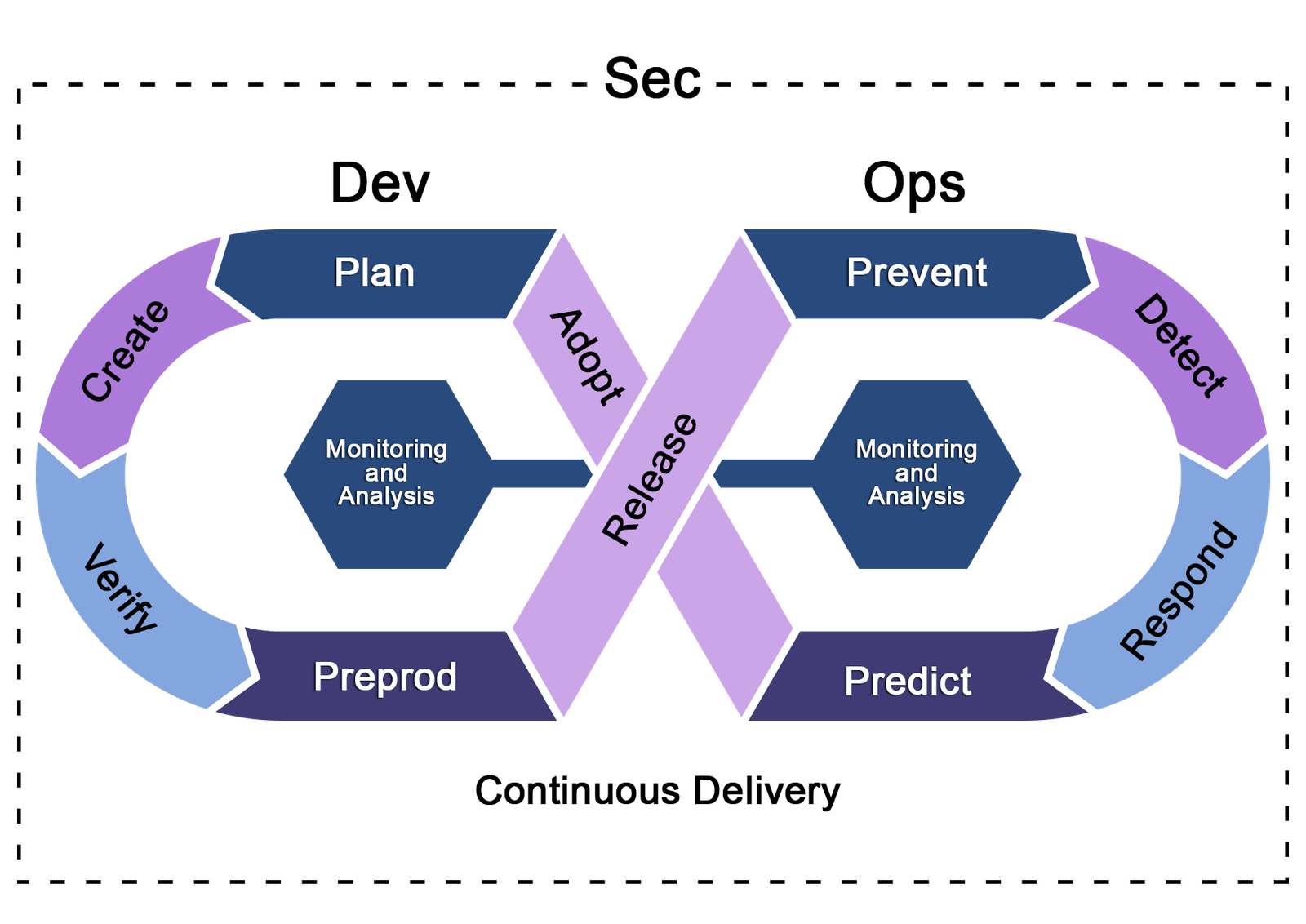
Modern software development demands speed, flexibility, and reliability. Organizations are under constant pressure to release features faster while maintaining high standards of quality and security. Traditional development and security models, where security is addressed only at the end of the development cycle, are no longer sufficient. This challenge has given rise to DevSecOps services, an approach that integrates security into every stage of the DevOps lifecycle.
This comprehensive article explains what DevSecOps services are, why they matter, how they work, their benefits, challenges, tools, use cases, and future trends. It also highlights how organizations can leverage DevSecOps services to achieve secure and continuous software delivery in an increasingly complex digital landscape.
What Are DevSecOps Services?
DevSecOps services refer to a set of practices, tools, and methodologies that integrate security into the DevOps process from the very beginning of software development. Instead of treating security as a separate or final step, DevSecOps embeds security checks, controls, and automation throughout the entire development, testing, deployment, and operations lifecycle.
The core idea behind devsecops services is shared responsibility. Developers, security teams, and operations professionals collaborate closely to ensure that applications are not only fast and functional but also secure by design. This cultural and technical shift helps organizations identify and address vulnerabilities early, reducing risks and costs.
The Evolution From DevOps to DevSecOps
DevOps emerged to break down silos between development and operations teams, enabling faster and more reliable software releases. However, as DevOps adoption increased, security often struggled to keep pace with rapid deployment cycles. This gap exposed organizations to security risks and compliance issues.
DevSecOps services evolved as a natural extension of DevOps, addressing these shortcomings by integrating security practices into existing workflows. By automating security testing and embedding it into CI/CD pipelines, DevSecOps ensures that speed does not come at the expense of security.
Why DevSecOps Services Are Essential Today
Cyber threats are becoming more sophisticated, and regulatory requirements are growing stricter across industries. Organizations can no longer afford to treat security as an afterthought. DevSecOps services are essential because they enable continuous security without slowing down innovation.
Another reason for the importance of DevSecOps services is the increasing complexity of modern applications. Cloud-native architectures, microservices, and third-party dependencies introduce new attack surfaces. Integrating security early helps organizations manage these risks effectively and maintain trust with users and stakeholders.
Core Principles of DevSecOps Services
DevSecOps services are built on several core principles that guide their implementation. One key principle is automation, which ensures that security checks are consistent, repeatable, and scalable across development pipelines.
Another principle is collaboration and shared responsibility. Security is no longer the sole responsibility of a dedicated team; instead, it becomes a collective effort across development, operations, and security. Continuous monitoring and feedback loops further support proactive risk management within DevSecOps services.
How DevSecOps Services Work in Practice
In practice, DevSecOps services integrate security tools and processes into every phase of the software lifecycle. During the planning and design stage, threat modeling and security requirements are defined early.
As development progresses, automated code analysis and dependency scanning tools identify vulnerabilities in real time. During testing and deployment, security checks are embedded into CI/CD pipelines, ensuring that only secure code reaches production. Continuous monitoring in operations helps detect and respond to threats quickly.
Key Components of DevSecOps Services
DevSecOps services rely on several key components to function effectively. Continuous integration and continuous deployment pipelines form the backbone of the process, enabling rapid and automated releases.
Security tools such as static application security testing, dynamic application security testing, container security, and infrastructure-as-code scanning are integrated into these pipelines. Together, these components create a comprehensive security framework that supports fast and secure delivery.
Benefits of DevSecOps Services for Organizations
One of the most significant benefits of DevSecOps services is improved security posture. By identifying vulnerabilities early, organizations reduce the risk of breaches and costly remediation efforts.
DevSecOps services also enhance development efficiency. Automated security checks eliminate manual bottlenecks, allowing teams to maintain high release velocity. Additionally, early detection of issues reduces rework and accelerates time to market, providing a competitive advantage.
DevSecOps Services and Compliance Requirements
Compliance is a major concern for organizations operating in regulated industries such as finance, healthcare, and government. DevSecOps services help address compliance by embedding policy enforcement and audit trails into development workflows.
Automated compliance checks ensure that applications meet regulatory standards consistently. This approach simplifies audits and reduces the risk of non-compliance penalties while maintaining development agility.
Role of Automation in DevSecOps Services
Automation is at the heart of DevSecOps services. Automated testing, scanning, and monitoring tools enable continuous security without disrupting development processes.
By automating repetitive tasks, organizations reduce human error and ensure consistent application of security policies. Automation also allows security to scale alongside development, making DevSecOps services suitable for organizations of all sizes.
DevSecOps Services in Cloud and Container Environments
Cloud computing and containerization have transformed application development and deployment. While these technologies offer flexibility and scalability, they also introduce new security challenges.
DevSecOps services address these challenges by integrating cloud security controls, container scanning, and runtime protection into the development lifecycle. This ensures that cloud-native applications remain secure throughout their lifecycle, from development to production.
Cultural Shift Required for DevSecOps Services
Implementing DevSecOps services is not just a technical change; it requires a cultural shift within organizations. Teams must adopt a mindset of shared responsibility and continuous improvement.
Training and awareness programs help developers understand secure coding practices, while security teams learn to work within agile environments. This cultural alignment is critical for the long-term success of DevSecOps services.
Challenges in Implementing DevSecOps Services
Despite its benefits, implementing DevSecOps services can be challenging. Resistance to change is a common obstacle, especially in organizations with established processes.
Tool integration and complexity can also pose challenges, as teams must select and configure solutions that fit their workflows. Overcoming these challenges requires clear leadership support, proper planning, and incremental adoption of DevSecOps services.
DevSecOps Services for Startups and Enterprises
DevSecOps services are valuable for both startups and large enterprises, though their implementation may differ. Startups benefit from building security into their products from the beginning, avoiding costly rework later.
Enterprises, on the other hand, often use DevSecOps services to modernize legacy systems and improve security across large, distributed teams. In both cases, DevSecOps provides a scalable framework for secure development.
Measuring the Success of DevSecOps Services
Measuring the effectiveness of DevSecOps services involves tracking both security and development metrics. Key indicators include vulnerability detection rates, remediation times, deployment frequency, and incident response times.
Regular reviews and continuous improvement help organizations refine their DevSecOps strategies. Clear metrics demonstrate the value of DevSecOps services to stakeholders and support ongoing investment.
Role of DevSecOps Services in Risk Management
Risk management is a critical aspect of modern IT operations. DevSecOps services contribute to risk management by providing continuous visibility into application security.
By integrating security into daily workflows, organizations can proactively identify and mitigate risks. This proactive approach reduces the likelihood of major security incidents and supports business continuity.
DevSecOps Services and Third-Party Dependencies
Modern applications often rely on open-source libraries and third-party services. While these dependencies accelerate development, they can introduce vulnerabilities.
DevSecOps services address this risk by continuously scanning dependencies for known vulnerabilities and licensing issues. This ensures that third-party components meet security and compliance standards throughout the application lifecycle.
The Role of AI and Machine Learning in DevSecOps Services
Artificial intelligence and machine learning are increasingly enhancing DevSecOps services. These technologies help analyze large volumes of data, identify patterns, and predict potential security threats.
AI-driven tools can prioritize vulnerabilities based on risk and automate responses to common threats. As these capabilities evolve, DevSecOps services will become more intelligent and efficient.
Future Trends in DevSecOps Services
The future of DevSecOps services is closely tied to advancements in automation, cloud-native security, and intelligent analytics. As organizations adopt more complex architectures, security integration will become even more critical.
Trends such as policy-as-code, zero-trust architectures, and enhanced observability are shaping the next generation of DevSecOps services. These innovations will further strengthen security while supporting rapid innovation.
Conclusion
DevSecOps services represent a fundamental shift in how organizations approach software development and security. By integrating security into every stage of the DevOps lifecycle, DevSecOps enables faster, safer, and more reliable software delivery. It helps organizations reduce risks, meet compliance requirements, and maintain trust in an increasingly digital world.
As cyber threats continue to evolve and development cycles accelerate, adopting DevSecOps services is no longer optional—it is essential. Organizations that embrace this approach will be better equipped to innovate securely, scale efficiently, and succeed in the long term.























Leave a Reply