Why PVD Coating Service Matters for Low-Friction Performance
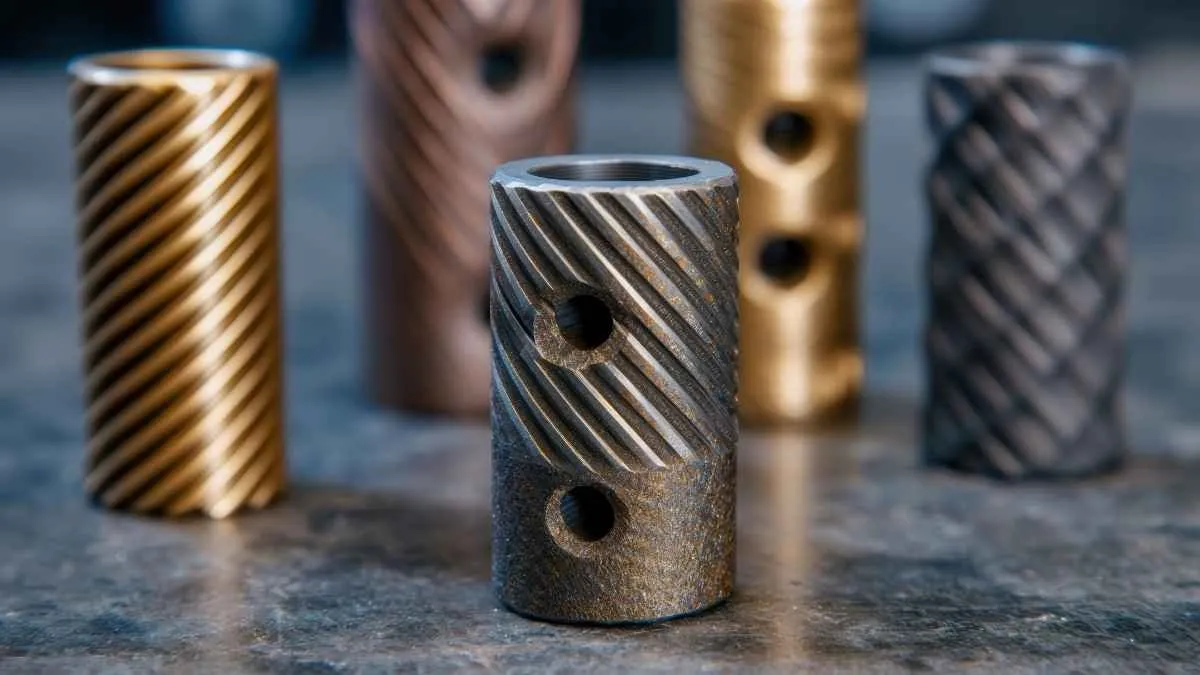
Friction is one of the main causes of mechanical parts wearing out. When surfaces slide, cut, or rotate against each other, heat builds up. That heat damages materials and shortens service life. A PVD coating service helps solve this problem by applying thin, engineered layers that reduce friction and protect critical surfaces.
Industries that rely on precision, such as aerospace, medical manufacturing, and machining, use these coatings to keep parts running smoothly under stress.
What Is PVD and How Does It Work?
Physical vapor deposition, commonly called PVD, is a process that applies coatings inside a vacuum chamber. Solid material is converted into vapor and then bonded to a surface at the atomic level. The result is a dense, uniform layer that stays firmly attached during use.
A professional PVD coating service controls temperature, pressure, and coating thickness throughout the process. This control allows parts to receive consistent coverage without changing their shape or size. Tight tolerances remain intact, which is critical for high-speed or precision components.
Understanding Low-Friction Coatings
A low friction coating reduces resistance between moving surfaces. Less resistance means less heat, smoother motion, and slower wear. These coatings are especially valuable in applications where lubrication is limited or inconsistent.
Low-friction surfaces help parts slide rather than grind. In cutting tools, this allows chips to release cleanly. In bearings or mechanical assemblies, it reduces energy loss and vibration. Over time, these benefits lead to longer part life and more stable performance.
Why Friction Reduction Matters
Friction creates problems that add up quickly. Heat softens metal. Soft metal wears faster. Worn parts need replacement, resulting in downtime and increased costs.
Applying a low-friction coating through a controlled PVD process helps interrupt this cycle. Parts stay cooler during operation. Contact surfaces remain smoother. Maintenance intervals extend, and production becomes more predictable.
This matters in environments where machines run for long hours or operate at high speed. Even small reductions in friction can deliver noticeable gains over time.
Real-World Example
Consider a manufacturer using high-speed cutting tools on hardened steel. Without coating, tools dull quickly due to heat buildup. Operators frequently slow or stop the machine to replace tools.
After switching to a PVD coating service that applies a low-friction layer, tool edges stay sharp longer. Cutting temperatures drop. Surface finish improves. The coating does not change the tool’s geometry, but it changes how the tool performs during every cycle.
This type of improvement shows why friction control is a priority in modern manufacturing.
Where PVD Low-Friction Coatings Are Used
PVD-applied low-friction coatings are common in many sectors, including:
- Cutting and forming tools
- Aerospace bearings and moving assemblies
- Medical instruments and implants
- Automotive components such as valves and fuel systems
- Industrial molds and precision parts
In each case, the goal is the same. Reduce friction. Control heat. Protect the base material.
Choosing the Right PVD Coating Service
Not all providers deliver the same results. A reliable PVD coating service offers more than access to equipment. It provides technical guidance based on how parts are used in real conditions.
Key questions to ask include:
- What coating options are available for low-friction needs?
- How is surface preparation handled before coating?
- What testing confirms adhesion and friction performance?
- Can coating thickness be adjusted for sensitive tolerances?
Clear answers help prevent failures caused by poor adhesion or incorrect coating selection.
Process Control and Consistency
Consistency matters as much as performance. A coating that works well once must work well every time. Reliable providers monitor each step, from cleaning and fixturing to deposition and inspection.
Good PVD coating service providers supply reports that show thickness ranges, hardness values, and visual inspection results. This documentation supports quality checks and helps manufacturers maintain repeatable performance across production runs.
Long-Term Benefits of Low-Friction Coatings
Low-friction coatings support efficiency over the long term. Machines consume less energy when resistance drops. Parts last longer before replacement. Maintenance teams spend less time responding to failures.
Because PVD coatings are thin and durable, they provide these benefits without adding weight or changing dimensions. This balance makes them ideal for high-performance environments where precision and reliability matter.
Making the Investment Count
While coatings add an upfront cost, the return often appears quickly. Fewer tool changes, reduced downtime, and better output quality all contribute to lower operating expenses.
Tracking results helps confirm value. Compare coated and uncoated parts under the same conditions. Measure wear, temperature, and cycle time. When the data shows improvement, the coating strategy becomes an easy decision.
In Summary
A PVD coating service delivers controlled, durable coatings that reduce friction and protect critical surfaces. By applying a low-friction coating, manufacturers lower heat, extend part life, and improve consistency across production. In applications where movement and wear are unavoidable, PVD coatings provide a practical, proven way to maintain high performance and keep costs under control.
For More Article Visit: https://techners.net/
About The Author