How Much Does a House Extension Cost? An Honest Answer
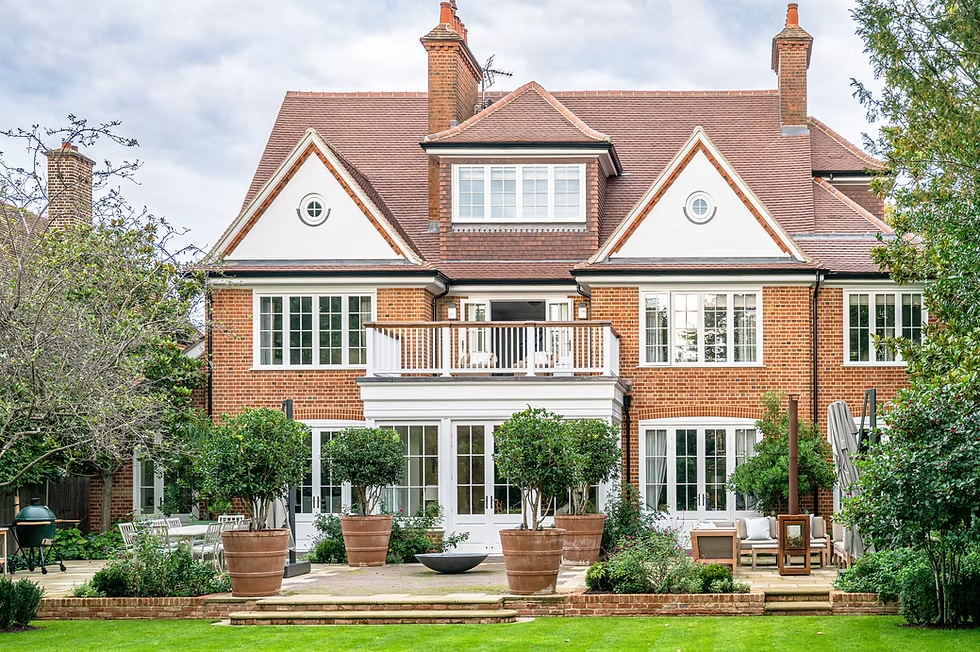
A house extension is one of the most practical ways to increase living space while improving the overall value of a property. Many homeowners begin the planning process with one important question: how much does a house extension cost? The answer depends on several factors, including the size of the extension, design complexity, materials, labour, and local building requirements. Every project is unique, making it impossible to provide a single fixed price. A clear understanding of the main cost factors helps with realistic budgeting and prevents unexpected expenses during construction.
Understanding How Much Does a House Extension Cost
The cost of a house extension varies based on the type of project and the level of finish required. A small single-storey extension generally costs less than a large two-storey addition because it requires fewer materials and less labour. Luxury finishes, custom features, and structural changes also increase the overall budget.
Location plays an important role as well. Construction costs differ between regions due to labour rates, material prices, and permit requirements. Early planning and accurate quotations provide a better picture of the expected investment before work begins.
Factors That Affect Extension Costs
Several key elements influence the final price of an extension project. Understanding these factors makes budgeting more accurate.
The size of the extension has the greatest impact on cost because larger projects require more materials, additional labour, and longer construction schedules. Design complexity also matters, especially when unusual layouts, large glass panels, vaulted ceilings, or custom architectural features are included.
Ground conditions can increase costs if excavation becomes difficult or stronger foundations are required. Existing drainage systems, underground utilities, and soil quality may all affect construction expenses.
Material selection is another major factor. Standard bricks, roofing materials, flooring, and windows cost less than premium products with high-end finishes.
Types of House Extensions
Different extension styles come with different price ranges.
A rear extension creates extra kitchen or living space and remains one of the most popular options because of its practical layout.
A side extension makes good use of unused land beside the property and often works well for utility rooms or larger kitchens.
A wraparound extension combines rear and side extensions, creating a much larger open-plan area. Although more expensive, this option offers significant additional space.
A two-storey extension provides extra rooms upstairs as well as downstairs, making it cost-effective when additional bedrooms and bathrooms are required.
Planning and Design Costs
Construction is only part of the total budget. Planning and professional services also contribute to the final cost.
Architectural drawings help create functional layouts that meet local building regulations. Structural engineers calculate load-bearing requirements and foundation designs for safe construction.
Planning permission may be required depending on the project size and local regulations. Building control inspections also ensure that construction meets safety standards throughout the project.
Professional fees vary according to project complexity but should always be included in the overall budget.
Construction Materials and Labour
Materials account for a significant portion of extension costs. Bricks, concrete, steel, timber, insulation, roofing, plaster, flooring, doors, and windows all contribute to the total expense.
Labour includes builders, electricians, plumbers, roofers, plasterers, painters, and decorators. Skilled trades often represent a large percentage of the project budget because quality workmanship directly affects durability and safety.
Material prices may also change over time due to market demand, making updated quotations essential before construction begins.
Interior Finishing Costs
An extension is not complete after the walls and roof are finished. Interior work also requires careful budgeting.
Flooring options range from laminate and engineered wood to natural stone and premium tiles. Kitchen installations, bathroom fittings, lighting, heating systems, and decorating all add to the final project cost.
Built-in storage, custom cabinetry, and modern lighting designs create a polished appearance but increase overall spending.
A realistic budget should include every stage of interior completion rather than focusing only on the structural build.
Hidden Costs to Consider
Many homeowners focus only on visible construction costs while overlooking additional expenses.
Temporary site preparation, waste removal, skip hire, scaffolding, utility connections, drainage alterations, and landscaping may all increase the total investment.
Unexpected structural repairs occasionally appear once work begins, particularly in older properties. Damp treatment, outdated electrical wiring, or foundation improvements may require additional spending.
Setting aside a contingency budget helps cover unforeseen costs without delaying the project.
Ways to Keep Extension Costs Under Control
Good planning remains the most effective way to manage expenses.
A detailed design completed before construction reduces costly changes later. Comparing multiple quotations from experienced contractors also provides a clearer understanding of fair market pricing.
Standard materials often deliver excellent performance while keeping costs lower than premium alternatives. Avoiding unnecessary design changes during construction also prevents budget increases.
Regular communication throughout the project helps identify potential issues before additional costs develop.
Does a House Extension Add Property Value?
A well-designed extension often increases both usable living space and property value. Larger kitchens, additional bedrooms, home offices, and family rooms remain highly desirable features in many housing markets.
Although every property market differs, quality extensions generally improve long-term resale potential while providing immediate lifestyle benefits. Functional layouts, energy-efficient insulation, and attractive finishes contribute to stronger buyer interest.
An extension should be viewed as both a lifestyle improvement and a long-term property investment rather than simply an additional expense.
Budget Planning Before Construction Begins
Accurate budgeting starts with realistic expectations. Every project should include construction costs, professional fees, permits, interior finishes, landscaping, and contingency funds.
Detailed quotations from qualified builders provide better cost certainty than rough estimates. Comparing specifications instead of simply selecting the lowest price often leads to better long-term value.
A carefully planned budget reduces financial pressure during construction and helps ensure the finished extension meets both functional needs and quality expectations.
Kasco Builders Delivers Quality House Extension Solutions
Kasco Builders provides carefully planned house extension services designed to maximise space, functionality, and long-term value. Every project receives attention to structural quality, practical layouts, and high construction standards from planning through completion. Experienced professionals focus on efficient project management, durable materials, and workmanship that meets modern building requirements. Whether the project involves a single-storey extension, a two-storey addition, or a larger custom expansion, Kasco Builders aims to deliver reliable results with clear planning, transparent communication, and construction solutions that support comfortable living for many years.
About The Author