High Capacity HCL Storage Tank for Industrial Facilities
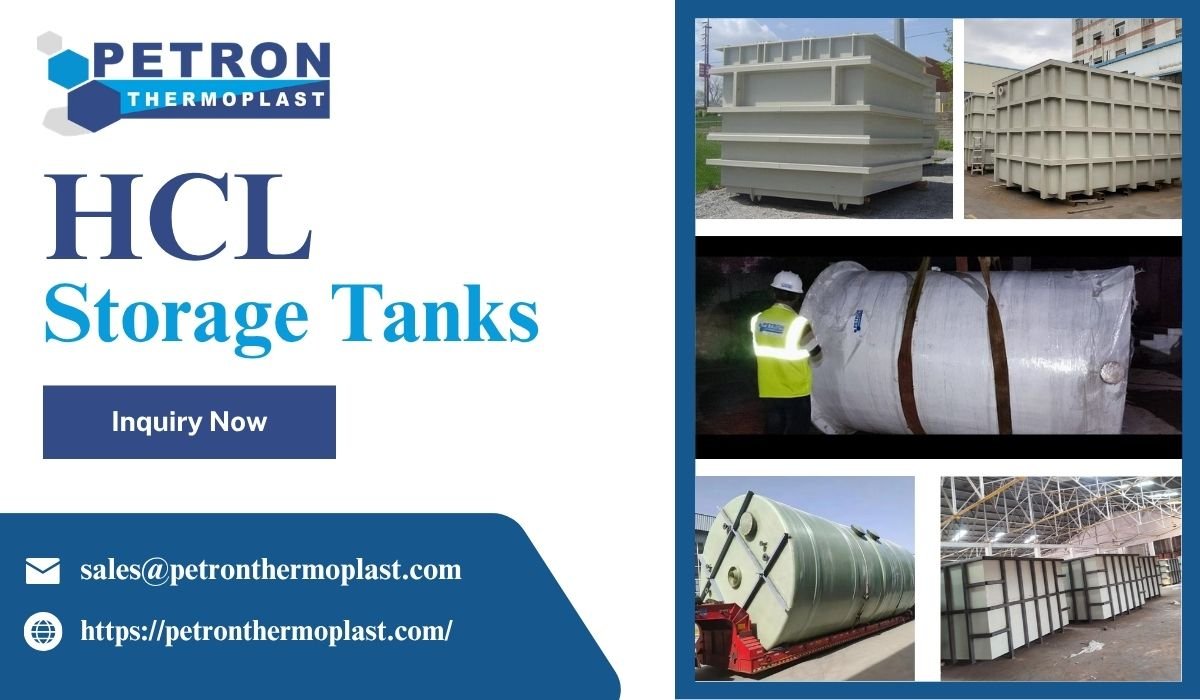
HCL Storage Tank
Industrial facilities handling hydrochloric acid require highly durable and corrosion-resistant storage systems to maintain safe and uninterrupted operations. Hydrochloric acid, commonly known as HCL, is widely used across industries such as chemical processing, steel treatment, water treatment, pharmaceuticals, and industrial manufacturing. Because of its highly corrosive nature, storing HCL safely requires specially engineered HCL storage tank capable of delivering long-term reliability and operational safety.
A high capacity HCL storage tank is designed to handle bulk acid storage requirements while maintaining structural strength, chemical resistance, and leak-proof performance. Modern industrial facilities prefer thermoplastic and FRP-based HCL storage tanks because of their excellent resistance to corrosion, low maintenance requirements, and long operational life.
Industries investing in high-quality HCL storage infrastructure can improve workplace safety, reduce maintenance costs, and ensure efficient chemical handling operations.
Understanding HCL Storage Tanks
An HCL storage tank is a specially engineered industrial tank designed for storing hydrochloric acid safely under industrial operating conditions.
These tanks are used for:
- Bulk acid storage
- Chemical processing
- Acid transfer operations
- Industrial manufacturing systems
- Process fluid management
Since hydrochloric acid is highly corrosive, standard metal tanks often fail because of rusting, corrosion, and chemical degradation. Industrial HCL tanks are therefore manufactured using corrosion-resistant thermoplastic materials and reinforced structures.
High capacity HCL storage tanks are designed for:
- Large volume storage
- Continuous industrial operation
- Outdoor installations
- Chemical safety compliance
- Long-term process reliability
Importance of High Capacity HCL Storage Tanks
Modern industries often require bulk storage systems capable of supporting large-scale chemical operations.
High capacity HCL storage tanks help industries:
- Maintain continuous production
- Reduce chemical handling interruptions
- Improve operational efficiency
- Minimize transfer frequency
- Support large industrial facilities
Industries handling large chemical volumes require dependable storage infrastructure capable of operating safely under demanding conditions.
Challenges in Hydrochloric Acid Storage
Hydrochloric acid presents several storage challenges because of its aggressive chemical properties.
High Corrosive Nature
HCL can rapidly damage ordinary metal storage systems, leading to:
- Corrosion
- Leakage
- Structural weakening
- Equipment failure
Safety Risks
Improper storage can increase:
- Workplace hazards
- Chemical leakage risks
- Environmental contamination
- Operational downtime
Temperature Variations
Industrial environments may expose storage tanks to varying temperature conditions, requiring materials with strong thermal stability.
Large Volume Requirements
Bulk storage systems require strong structural support and reliable fabrication quality.
Materials Used in HCL Storage Tanks
Selecting the correct material is one of the most important factors in HCL tank manufacturing.
Polypropylene (PP)
PP is widely used because of:
- Excellent chemical resistance
- Lightweight construction
- Corrosion-free performance
It is highly suitable for hydrochloric acid storage applications.
FRP (Fiberglass Reinforced Plastic)
FRP provides:
- High mechanical strength
- Structural reinforcement
- Weather resistance
FRP-backed tanks are commonly used for outdoor industrial installations.
HDPE (High Density Polyethylene)
HDPE tanks offer:
- Chemical resistance
- Impact strength
- Low maintenance performance
PVDF (Polyvinylidene Fluoride)
PVDF is preferred for highly aggressive chemical applications and high-purity systems.
Thermoplastic + FRP Combination
Many modern HCL tanks combine thermoplastic liners with FRP outer reinforcement for maximum durability and structural reliability.
Key Features of High Capacity HCL Storage Tanks
Modern industrial HCL storage tanks are designed with advanced engineering features to support safe and reliable operation.
Superior Corrosion Resistance
Chemical-resistant materials protect the tank against hydrochloric acid attack and corrosion.
Leak-Proof Construction
Reliable fabrication methods improve:
- Chemical containment
- Workplace safety
- Operational stability
High Mechanical Strength
Large industrial tanks are engineered to withstand:
- Mechanical stress
- Heavy liquid loads
- Industrial vibration
- Outdoor environmental conditions
Long Operational Life
High-quality HCL tanks provide dependable long-term performance with minimal maintenance.
UV and Weather Resistance
Outdoor storage tanks are designed to resist:
- Sunlight exposure
- Rain
- Temperature fluctuations
- Harsh industrial environments
Custom Design Options
Industrial HCL storage tanks may include:
- Level indicators
- Nozzle packages
- Agitator systems
- Ladder arrangements
- Secondary containment systems
Applications of HCL Storage Tanks
HCL storage tanks are widely used across various industrial sectors.
Chemical Processing Industries
Chemical plants use HCL tanks for:
- Acid storage
- Chemical processing
- Process fluid handling
Steel and Metal Processing Industries
Hydrochloric acid is commonly used for:
- Pickling operations
- Surface treatment
- Metal cleaning systems
Water Treatment Plants
Water treatment facilities use HCL for:
- pH adjustment
- Chemical treatment systems
- Utility operations
Pharmaceutical Industries
Pharmaceutical manufacturing units require safe acid handling systems for controlled process operations.
Textile Industries
Textile plants use hydrochloric acid in:
- Dye processing
- Chemical treatment
- Industrial cleaning applications
Industrial Manufacturing Facilities
Various manufacturing industries require HCL storage systems for continuous production support.
Advantages of High Capacity HCL Storage Tanks
Industries prefer modern thermoplastic HCL tanks because of their operational and economic benefits.
| Feature | High Capacity HCL Tank | Conventional Metal Tank |
| Corrosion Resistance | Excellent | Limited |
| Maintenance | Low | High |
| Operational Life | Long | Moderate |
| Chemical Compatibility | Excellent | Moderate |
| Leakage Risk | Low | Higher |
| Outdoor Performance | Excellent | Moderate |
Factors to Consider Before Selecting an HCL Storage Tank
Proper tank selection is essential for safe and reliable industrial operation.
Chemical Concentration
The concentration level of hydrochloric acid affects material selection and tank design.
Storage Capacity
Select tank size according to operational requirements and production demand.
Installation Location
Outdoor installations may require additional UV and weather protection.
Structural Strength
Large capacity tanks require strong mechanical design and reinforcement.
Product Quality
High manufacturing standards improve:
- Operational reliability
- Leak protection
- Long-term durability
Importance of Choosing the Right Manufacturer
The quality of industrial HCL storage tanks depends heavily on engineering expertise and fabrication standards.
A trusted manufacturer provides:
- Precision fabrication
- Chemical-resistant materials
- Customized solutions
- Technical support
- Quality-tested products
Proper manufacturing improves operational safety and long-term industrial performance.
Maintenance Benefits of Modern HCL Storage Tanks
Low maintenance is one of the major advantages of thermoplastic HCL tanks.
Corrosion-Free Operation
Thermoplastic materials do not rust or corrode under hydrochloric acid exposure.
Reduced Repair Costs
Durable construction minimizes maintenance and replacement expenses.
Reliable Long-Term Performance
Strong fabrication quality supports uninterrupted industrial operations.
Easy Inspection and Monitoring
Modern tanks can include level indicators and inspection systems for improved operational control.
Environmental and Economic Benefits
Industries increasingly focus on safe and sustainable chemical handling infrastructure.
High capacity HCL storage tanks support these goals through:
- Improved chemical containment
- Reduced leakage risk
- Long service life
- Lower maintenance waste
- Cost-effective operation
Their durable design helps industries reduce long-term infrastructure costs.
Future Demand for HCL Storage Tanks
The demand for advanced chemical storage systems continues to increase as industries invest in:
- Corrosion-resistant infrastructure
- Bulk chemical handling systems
- Safer industrial operations
- Long-lasting storage equipment
High capacity HCL storage tanks remain essential for modern industrial facilities requiring reliable acid storage solutions.
Conclusion
High capacity HCL storage tanks provide reliable, corrosion-resistant, and safe solutions for industrial hydrochloric acid storage applications. Their superior chemical resistance, leak-proof construction, strong mechanical durability, and long operational life make them highly suitable for chemical plants, water treatment facilities, steel processing industries, pharmaceutical units, and industrial manufacturing systems.
Modern thermoplastic and FRP backed HCL storage tanks help industries improve workplace safety, maintain continuous operations, reduce maintenance costs, and achieve dependable long-term chemical storage performance. Choosing high-quality HCL storage tanks from a trusted manufacturer like Petron Thermoplast ensures safe acid handling, reliable industrial operation, and efficient large-scale chemical storage infrastructure.
About The Author