The Evolution of Industrial Equipment Access: Why Marketplaces Are Reshaping Manufacturing
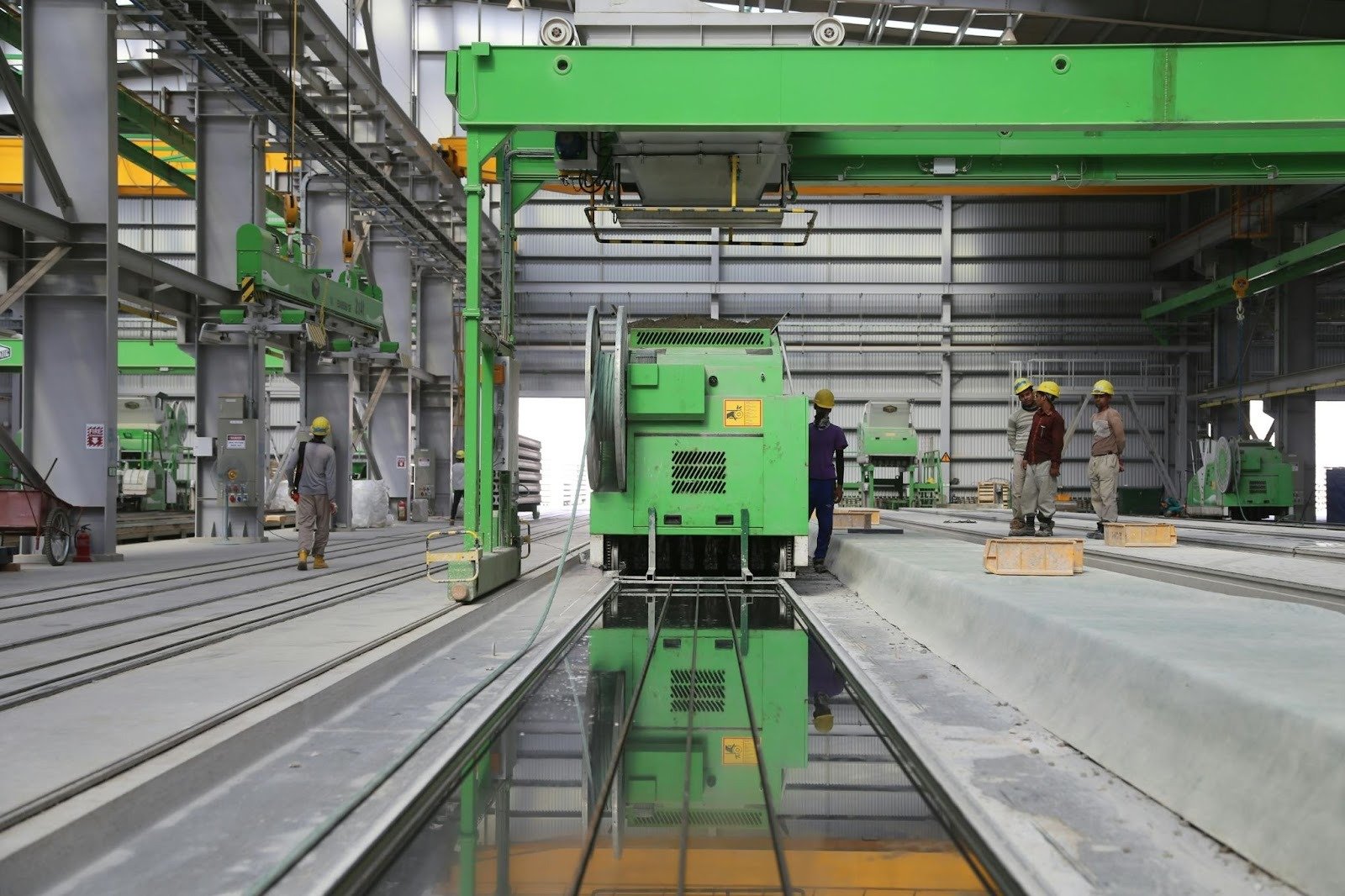
Manufacturing has always depended on access access to materials, labor, and, perhaps most critically, the right equipment. For decades, acquiring industrial machinery followed a rigid path: manufacturers relied on a limited pool of suppliers, committed to long production timelines, and made large capital investments upfront.
That model is steadily giving way to something more flexible. Industrial equipment marketplaces are changing how companies source, evaluate, and deploy machinery. These platforms are not just transactional spaces; they are becoming strategic tools that help manufacturers respond to shifting demands with greater speed and confidence.
As industries continue to evolve, understanding the role of these marketplaces offers valuable insight into how modern production is being redefined.
From Traditional Procurement to Dynamic Sourcing
Breaking Away from Fixed Supply Chains
Traditional procurement systems were built for predictability. Companies worked with known suppliers, planned purchases months in advance, and structured operations around those timelines.
That predictability came at a cost. When market conditions changed or when unexpected opportunities emerged manufacturers often struggled to adapt quickly. Equipment acquisition became a bottleneck rather than an enabler.
Marketplaces introduce a more dynamic approach. By aggregating equipment from multiple sources, they provide immediate access to a broader inventory. This allows companies to explore alternatives and make faster decisions.
Expanding Access Without Increasing Complexity
At first glance, accessing global equipment might seem complicated. In practice, well-structured marketplaces simplify the process. They organize listings, standardize information, and often provide support services that reduce the burden on buyers.
This balance expanded access with manageable complexity is one of the key reasons marketplaces are gaining traction.
The Rise of Digital Marketplaces in Manufacturing
Centralizing Equipment Discovery
Industrial marketplaces function as centralized hubs where buyers can find equipment that meets specific technical and operational requirements. Instead of navigating fragmented channels, they can compare options in one place.
These platforms typically offer:
- Detailed equipment specifications
- Historical performance data
- Inspection and certification services
- Logistics and integration support
This level of transparency helps buyers move forward with greater confidence.
Supporting Smarter Manufacturing Systems
The growth of marketplaces aligns with broader trends in smart manufacturing. As production systems become more data-driven and interconnected, the need for flexible equipment sourcing increases.
Insights from the National Institute of Standards and Technology on smart manufacturing systems and digital transformation highlight how connectivity and data integration are reshaping industrial operations. Marketplaces fit naturally into this ecosystem by enabling faster, more informed decisions.
Accessing Equipment Through the International Process Plants Marketplace
Bridging Global Supply and Industrial Demand
One of the most significant advantages of platforms like the International Process Plants marketplace is their ability to connect supply with demand across industries and regions.
Equipment that may be underutilized in one facility can become a critical asset in another. By facilitating these connections, marketplaces help ensure that valuable machinery continues to generate productivity rather than sitting idle.
This approach benefits both buyers and sellers. Sellers recover value from surplus equipment, while buyers gain access to machinery without the delays associated with new manufacturing.
Enabling Faster and More Flexible Growth
For companies looking to scale operations, speed is often a deciding factor. Waiting for new equipment can slow down expansion and limit responsiveness to market opportunities.
Marketplaces provide an alternative. With access to existing inventory, manufacturers can acquire and deploy equipment more quickly, supporting growth without unnecessary delays.
Precision, Performance, and Equipment Selection
Why Detail Matters in Industrial Systems
Selecting the right equipment involves more than matching basic specifications. Precision plays a crucial role in ensuring that machinery performs reliably within a production system.
Even small variations in components can affect efficiency and output quality. This is particularly true in high-performance environments where consistency is essential.
For example, understanding the importance of precision in engineering components—such as those discussed in this article on why precision matters in compression spring design—provides insight into how detailed engineering considerations influence overall system performance.
Evaluating Equipment Beyond Surface-Level Metrics
Experienced buyers look beyond price and availability. They consider factors such as compatibility, maintenance requirements, and long-term reliability.
Marketplaces that provide detailed data and support services make it easier to evaluate these factors, reducing the risk of costly mismatches.
Economic and Operational Benefits
Reducing Capital Constraints
One of the most immediate advantages of marketplace sourcing is cost efficiency. Pre-owned or surplus equipment is often available at significantly lower prices than new machinery.
This allows companies to allocate capital more strategically, investing in areas such as innovation, workforce development, or process improvement.
Improving Operational Agility
Flexibility is becoming a defining characteristic of successful manufacturers. The ability to quickly adjust production capacity or introduce new processes provides a competitive edge.
Marketplaces support this agility by offering access to equipment that can be acquired and deployed without long lead times.
Challenges and Considerations
Ensuring Quality and Reliability
While marketplaces provide access to a wide range of equipment, quality assurance remains essential. Buyers must carefully review specifications, conduct inspections, and verify performance history.
Working with reputable platforms and suppliers helps mitigate these risks.
Managing Logistics and Integration
Transporting and integrating industrial equipment requires careful planning. Factors such as shipping, installation, and system compatibility all influence the success of a purchase.
A structured approach to these challenges ensures that equipment becomes operational as quickly as possible.
Navigating a Growing Marketplace Ecosystem
As marketplaces continue to expand, the number of available options can be overwhelming. Manufacturers must develop clear criteria for evaluating equipment and selecting suppliers.
This often involves collaboration between procurement teams, engineers, and operational managers.
The Future of Industrial Equipment Marketplaces
Industrial marketplaces are still evolving. Advances in technology are likely to enhance their capabilities, making them even more integral to manufacturing strategy.
Artificial intelligence, predictive analytics, and real-time data integration may soon play a larger role in matching buyers with the most suitable equipment. These tools will further streamline the sourcing process and improve decision-making.
At the same time, sustainability will remain a key driver. By facilitating the reuse and redistribution of equipment, marketplaces contribute to more efficient use of resources and reduced environmental impact.
Conclusion
Industrial equipment marketplaces are transforming how manufacturers access and utilize machinery. By breaking down traditional barriers and providing greater visibility into available resources, they enable faster, more informed decisions.
The value of these platforms lies not only in access but in the flexibility they provide. Companies can scale operations, explore new opportunities, and optimize their resources without being constrained by traditional procurement models.
As manufacturing continues to evolve, marketplaces will play an increasingly important role in shaping how industries grow and adapt. Those who embrace this shift will find themselves better equipped to navigate complexity and capitalize on emerging opportunities.
About The Author