Is It Safe to Get Multiple Ear Piercings?
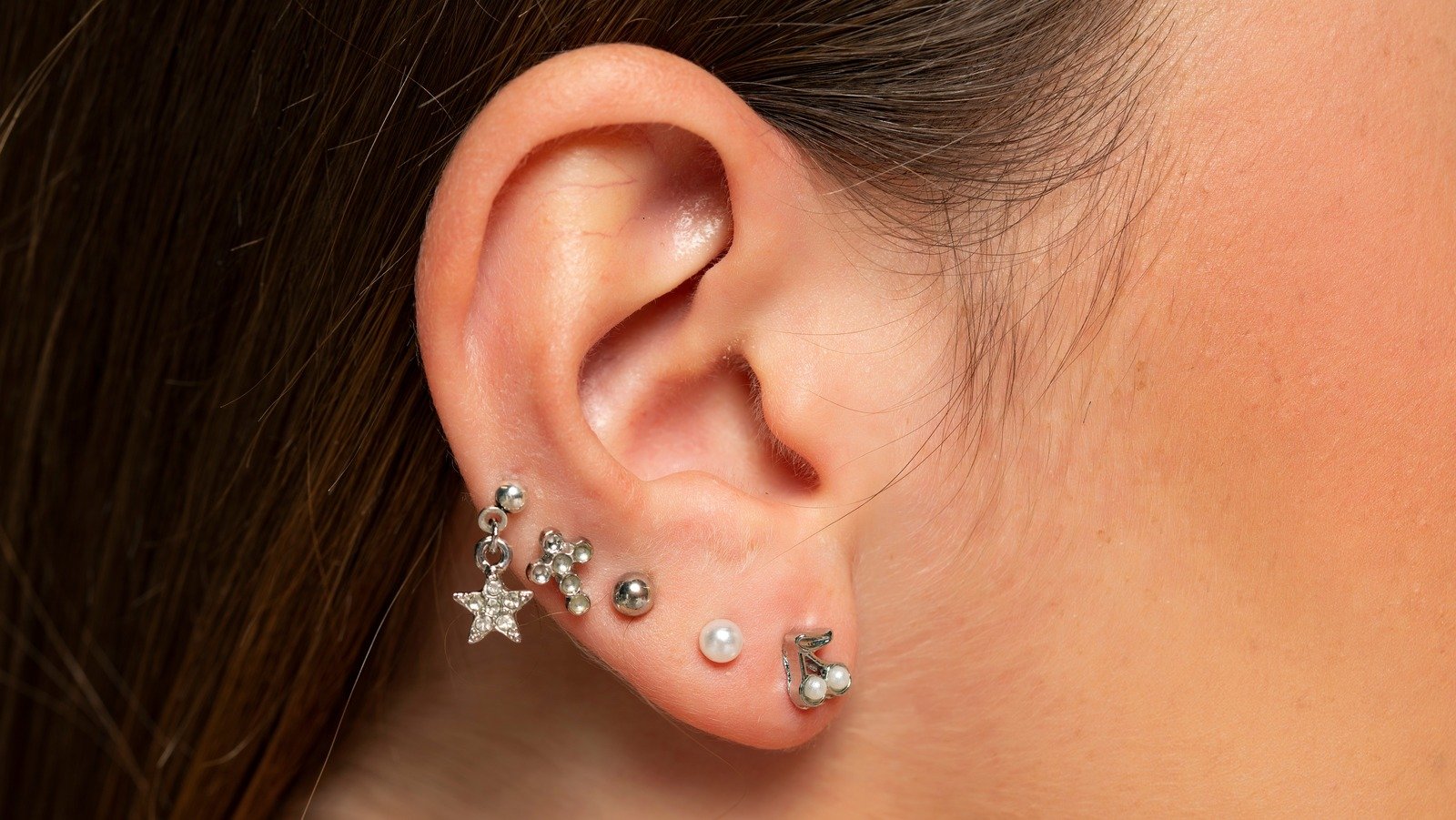
Getting multiple ear piercings has become a popular trend among individuals seeking to express their personal style and enhance their appearance. From delicate studs to bold hoops, the variety of options available allows for creative and unique looks. However, many prospective clients often wonder about the safety aspects of having several piercings simultaneously. Ear piercing in Abu Dhabi and elsewhere is generally safe when performed by trained professionals using appropriate sterilization techniques. Nonetheless, understanding the safety considerations involved in multiple ear piercings is essential for making an informed decision.
This comprehensive guide aims to address the key concerns regarding the safety of multiple ear piercings, providing valuable insights for anyone contemplating this form of body modification. Whether you’re a first-timer or considering additional piercings, knowing what factors influence safety can help you achieve your desired aesthetic while minimizing potential risks.
Understanding Ear Piercing Procedures
What Does the Procedure Involve?
Ear piercing is a straightforward process where a small hole is created in the cartilage or lobe of the ear to insert jewelry. The procedure is typically quick, involving the use of a sterilized piercing gun or a surgical needle. Professional piercers follow strict hygiene protocols to prevent infection and ensure proper placement.
Types of Ear Piercings
There are numerous types of ear piercings, including lobe piercings, helix, tragus, conch, industrial, and more. Each location varies in thickness, cartilage density, and healing time. Multiple piercings can be done in one session or over multiple visits, depending on individual preferences and the advice of professionals.
Safety Considerations for Multiple Ear Piercings
Professional Expertise and Sterilization
The safety of multiple ear piercings largely depends on the skills of the piercer and the hygiene standards maintained during the procedure. Reputable studios use sterilized equipment and disposable needles to eliminate the risk of infection. It is vital to choose trained and experienced practitioners to perform multiple piercings simultaneously.
Healing Process and Aftercare
Multiple piercings can influence the healing process. Each piercing has a different healing time, and caring for several wounds at once requires diligence. Proper aftercare, including cleaning routines and avoiding irritants, is crucial to prevent infections and promote healing.
Potential Risks and How to Minimize Them
While generally safe, multiple ear piercings can pose certain risks such as infection, allergic reactions, or cartilage damage if not done correctly. To minimize these risks:
- Follow professional guidance on aftercare
- Use high-quality jewelry made from hypoallergenic materials
- Avoid touching or twisting the jewelry unnecessarily
- Refrain from changing jewelry prematurely
When to Consider Multiple Piercings
Timing is essential. Some experts recommend spacing out piercings to allow adequate healing and reduce discomfort. However, with proper care, multiple piercings can be performed in a single session, especially when done by experienced professionals.
Factors Influencing the Safety of Multiple Ear Piercings
Individual Health Status
Your overall health can impact how well your body responds to multiple piercings. Conditions such as diabetes, skin disorders, or immune deficiencies may require special precautions. Always disclose your health history to your piercer.
Choice of Jewelry Material
Hypoallergenic materials like surgical steel, titanium, or niobium reduce the chance of allergic reactions. Selecting high-quality jewelry is vital for safe healing, especially when multiple piercings are involved.
Piercing Location and Technique
Different parts of the ear require different techniques and have varying levels of complication risk. Cartilage piercings tend to take longer to heal and may require more careful handling compared to lobe piercings.
Personal Pain Tolerance and Healing Capacity
Everyone’s body responds differently to piercings. Some may experience minimal discomfort, while others might have prolonged healing times. Adequate aftercare and patience are essential for successful multiple piercings.
Best Practices for Safe Multiple Ear Piercings
Consultation and Planning
Before proceeding, consult with a professional to plan the placement and number of piercings. Proper planning ensures that the piercings suit your anatomy and aesthetic goals.
Choosing the Right Studio
Select a licensed and reputable piercing studio that adheres to strict hygiene standards. Look for certifications, proper equipment, and a clean environment.
Following Aftercare Instructions
Adhere strictly to the aftercare regimen provided by your piercer. This typically includes cleaning the piercings with saline solutions, avoiding irritants, and refraining from unnecessary touching.
Monitoring for Complications
Keep an eye out for signs of infection or adverse reactions such as redness, swelling, pain, or discharge. Promptly seek professional advice if symptoms persist or worsen.
Allowing Adequate Healing Time
Patience is key. Even with multiple piercings, giving each site sufficient time to heal reduces the risk of complications and ensures the longevity of your jewelry.
Conclusion
Ear piercing Abu Dhabi and other locations can be a safe and rewarding experience when done correctly. The decision to get multiple ear piercings should involve careful planning, choosing reputable professionals, and committing to proper aftercare. While there are inherent risks, adherence to safety protocols and professional guidance significantly reduce potential complications.
Ultimately, with the right approach, multiple ear piercings can enhance your style and self-expression safely. Always prioritize your health and consult with experienced practitioners to ensure a smooth and positive piercing journey. Remember, safety and proper aftercare are the pillars of a successful piercing experience—whether you opt for a single or multiple piercings.
About The Author