How Hair Transplant Minimizes Visible Scars
Hair loss can significantly impact an individual’s confidence and appearance. For many, restoring hair becomes a priority, and hair transplant procedures have emerged as a highly effective solution. Among the various factors that influence the success and appeal of a hair transplant, minimizing visible scarring is paramount. This ensures that the results look natural and undetectable, allowing individuals to retain their confidence and style. In this comprehensive guide, we will explore how modern Hair Transplant Abu Dhabi techniques focus on reducing visible scars, the advancements that make this possible, and what you can expect from a scar-minimizing procedure.
Understanding Hair Transplant Techniques
Follicular Unit Transplantation (FUT)
Historically, Follicular Unit Transplantation (FUT) was one of the most common methods used in hair restoration. This technique involves removing a strip of scalp from the donor area, which is then dissected into individual follicular units and transplanted into the balding areas. While effective, FUT often leaves a linear scar along the donor site, which can be visible if the hair is cut very short.
Follicular Unit Extraction (FUE)
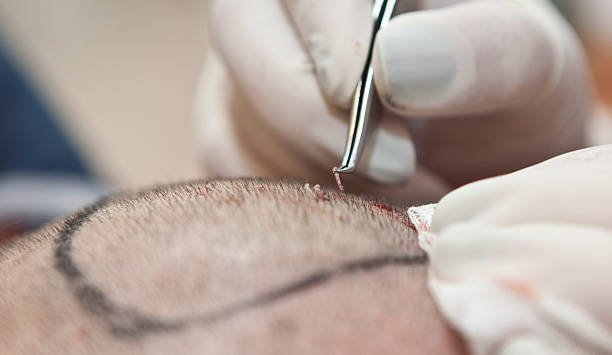
Advancements in hair transplant technology have led to the development of Follicular Unit Extraction (FUE). This minimally invasive procedure involves extracting individual follicular units directly from the donor area using specialized punch tools. Because no linear incision is required, FUE results in tiny, dot-like scars that are much less noticeable, especially when the hair is kept at a shorter length.
Robotic and Automated Techniques
Modern clinics are increasingly adopting robotic and automated FUE systems, which enhance precision and consistency. These technological innovations further reduce trauma to the scalp and improve scar minimization, making the results more natural and discreet.
The Role of Technique Choice in Scar Minimization
Precision and Minimally Invasive Procedures
The choice of technique plays a crucial role in scar visibility. FUE’s key advantage is its minimally invasive nature, which leaves tiny scars that can be easily concealed. These micro-scars are often less than 1mm in diameter, allowing individuals to style their hair without revealing any signs of surgery.
Scar Concealment Strategies
Advanced hair transplant procedures also incorporate specific strategies to conceal scars. For example, in cases of FUT, surgeons may employ trichophytic closure, a technique that encourages hair to grow through the scar, making it less visible. Moreover, meticulous surgical planning ensures that scars are placed in areas where they are naturally hidden by hair growth.
Technological Innovations Enhancing Scar Reduction
Use of Advanced Punch Tools
Modern FUE procedures utilize ultra-fine punch tools, often 0.7mm or smaller, which minimize trauma during extraction. These tools create smaller scars, which heal faster and are less noticeable over time.
Blunt vs. Sharp Punch Technology
Some clinics utilize blunt punch technology, which is gentler on the scalp tissue and results in less scarring and tissue damage. This innovation allows for smoother extraction and quicker healing, further reducing scar visibility.
Automated and Robotic FUE Systems
Robotic systems enhance the precision of follicle extraction, ensuring consistent depth and angle. This consistency reduces unnecessary trauma and promotes optimal healing, leading to less conspicuous scars.
Post-Procedure Care and Scar Management
Proper Wound Care
Post-operative care is vital in minimizing scar appearance. Keeping the scalp clean, avoiding excessive tension on the healing area, and following the surgeon’s instructions help facilitate optimal healing and reduce scarring.
Use of Topical Treatments
Certain topical treatments and medications can promote healthy healing and minimize scar formation. These may include silicone gels, ointments, or other prescribed therapies that support tissue regeneration.
Follow-Up and Scar Concealment
Regular follow-up appointments allow practitioners to monitor healing progress. In some cases, additional treatments such as scalp micropigmentation or hair fibers can be used to conceal scars further, ensuring the most discreet results.
Benefits of a Scar-Minimizing Hair Transplant
Natural-Looking Results
Techniques focused on scar minimization ensure that the hair transplant appears as natural as possible. This is especially crucial for individuals who prefer to keep their haircuts short, as visible scars can be more noticeable otherwise.
Shorter Recovery Time
Minimally invasive procedures like FUE typically involve less trauma to the scalp, leading to quicker healing times and less post-procedure discomfort. This allows patients to return to their daily routines sooner.
Flexibility in Hairstyling
Because the scars are less visible, individuals have greater flexibility in their hairstyling choices. Short hairstyles can be maintained without concern about revealing signs of surgery.
Enhanced Confidence
A scar-free or nearly scarless outcome significantly boosts confidence, allowing individuals to enjoy their new hair without worries about visible signs of the procedure.
Future Outlook: Innovations in Scar Minimization
Stem Cell and Regenerative Medicine
Emerging fields such as stem cell therapy and regenerative medicine hold promise for further reducing scarring. These techniques aim to promote tissue regeneration and healing, potentially leading to even less visible scars in future hair restoration procedures.
Customized Surgical Plans
The trend towards personalized medicine means that surgical plans are increasingly tailored to an individual’s scalp anatomy, hair type, and aesthetic goals. Customized approaches optimize healing and minimize scarring, delivering more natural results.
Integration of Non-Surgical Options
Complementing surgical techniques, non-surgical hair restoration options like platelet-rich plasma (PRP) therapy are also gaining popularity. These treatments can improve scalp health and support healing, indirectly contributing to scar minimization.
Conclusion
Hair transplant procedures today are designed with a primary focus on producing natural-looking results while minimizing visible scars. Technological advancements, meticulous surgical techniques, and post-procedure care all contribute to discreet and aesthetically pleasing outcomes. If you are considering a hair restoration journey, understanding how modern methods reduce scar visibility can help you make an informed decision. Hair Transplant in Abu Dhabi exemplifies the latest in scar-minimizing techniques, ensuring that clients achieve their desired look with confidence and minimal downtime.
About The Author